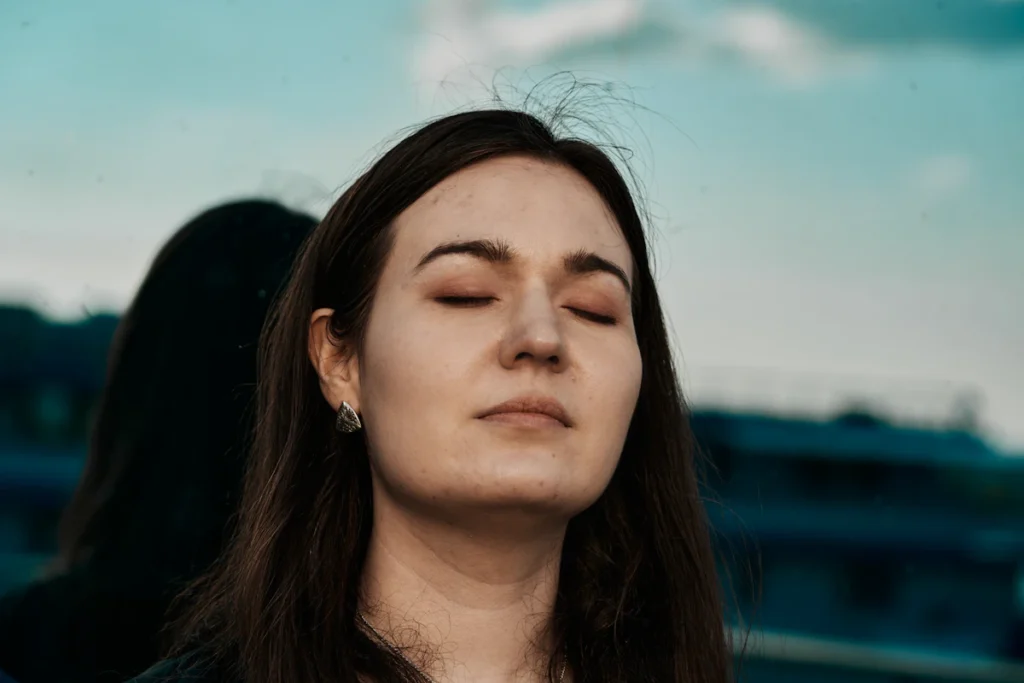
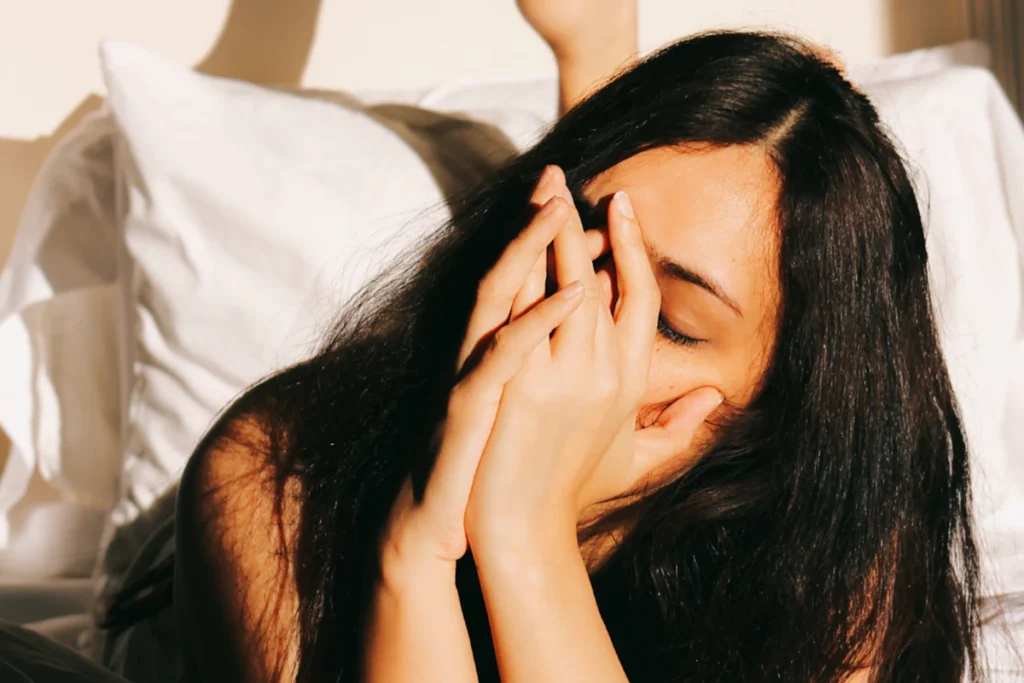
Last night felt relaxed and fun. This morning your heart is racing, your stomach is churning and you are replaying every conversation, sure you said something wrong. That wave of dread the day after drinking has a nickname: hangxiety.
Anxiety after drinking is very common, and there are clear reasons why it happens. Understanding them can help you break the cycle, especially if you drink to calm nerves. If anxiety and drinking feel linked for you, anxiety support by phone or video with an AHPRA-registered practitioner can help.
What is hangxiety?
Hangxiety is anxiety after drinking, felt during a hangover. It can include worry, dread, guilt, a racing heart and shakiness. It is not a medical diagnosis, but it describes a real effect of alcohol on the brain and body as alcohol wears off.
Many people notice it most after a big night. For some, even a few drinks bring on noticeable next-day anxiety.
Why does alcohol cause anxiety the next day?
Alcohol causes next-day anxiety because the brain rebounds as alcohol leaves your system. Alcohol boosts GABA, a calming brain chemical, and dampens glutamate, an exciting one. To balance this, the brain adjusts. When the alcohol is gone, that adjustment leaves you more wired and on edge than usual.
- Brain chemistry rebound. Less calming GABA activity and more glutamate activity make you jumpy.
- Stress hormones. Cortisol and adrenaline rise as the body processes alcohol.
- Poor sleep. Alcohol disrupts deep and dream sleep, leaving you tired and reactive.
- Dehydration and low blood sugar. These can cause shakiness and a racing heart.
- Memory gaps and regret. Not remembering clearly can fuel worry about what happened.
Who gets hangxiety the most?
People who are shy or already anxious seem more prone to hangxiety. In a study of 97 social drinkers, highly shy people felt their anxiety ease more while drinking, then felt more anxious the next day (Marsh and colleagues, 2019). Their next-day anxiety was also linked to signs of riskier drinking.
This matters because it shows how a cycle can form. If alcohol eases social nerves at night, it is tempting to rely on it. But the next-day anxiety makes the nerves worse, which can lead to more drinking.
How long does anxiety after drinking last?
For most people, hangxiety eases within 24 hours as the body clears alcohol and rebalances. After very heavy drinking, it can linger for a day or two. Poor sleep can stretch it out further. Drinking water, eating a proper meal and resting tend to shorten it.
If you drink heavily most days, stopping suddenly can cause alcohol withdrawal. Symptoms include strong anxiety, shaking, sweating and, in severe cases, seizures. Withdrawal can be dangerous, so do not stop heavy daily drinking suddenly without medical advice.
Does alcohol help anxiety?
Alcohol may ease anxiety for an hour or two, but it makes anxiety worse over time. Using it to cope stops you learning other ways to calm down. It also disrupts sleep, lowers mood and adds next-day anxiety. Australian guidelines advise healthy adults to have no more than 10 standard drinks a week.
| While drinking | The next day | Over months |
|---|---|---|
| Feel relaxed and less self-conscious | Anxiety, dread and low mood | Higher baseline anxiety |
| Worries fade for a while | Worries return stronger | Less confidence coping without alcohol |
| Easier to fall asleep | Broken, poor-quality sleep | Ongoing tiredness and irritability |
The alcohol and anxiety cycle
Anxiety and drinking can feed each other in a loop that is hard to spot from the inside. You feel tense, so you drink to relax. The next day, anxiety returns stronger, which makes the next drink feel even more needed. Breaking the loop starts with noticing it.
- You feel anxious or tense.
- You have a drink to relax.
- You feel better for a short time.
- The next day, anxiety is stronger.
- You drink again to cope with the anxiety.
Breaking the loop usually means finding other ways to manage anxiety while cutting back on alcohol. Both are easier with support.
How to ease hangxiety
You cannot undo a hangover, but you can take the edge off hangxiety. These steps help your body and mind settle. Remember that the dread mostly reflects brain chemistry rather than anything you did. Treat it like a short, passing storm and give yourself the basics first.
- Drink water. Rehydrate steadily through the morning.
- Eat a simple meal. Balanced food helps steady blood sugar.
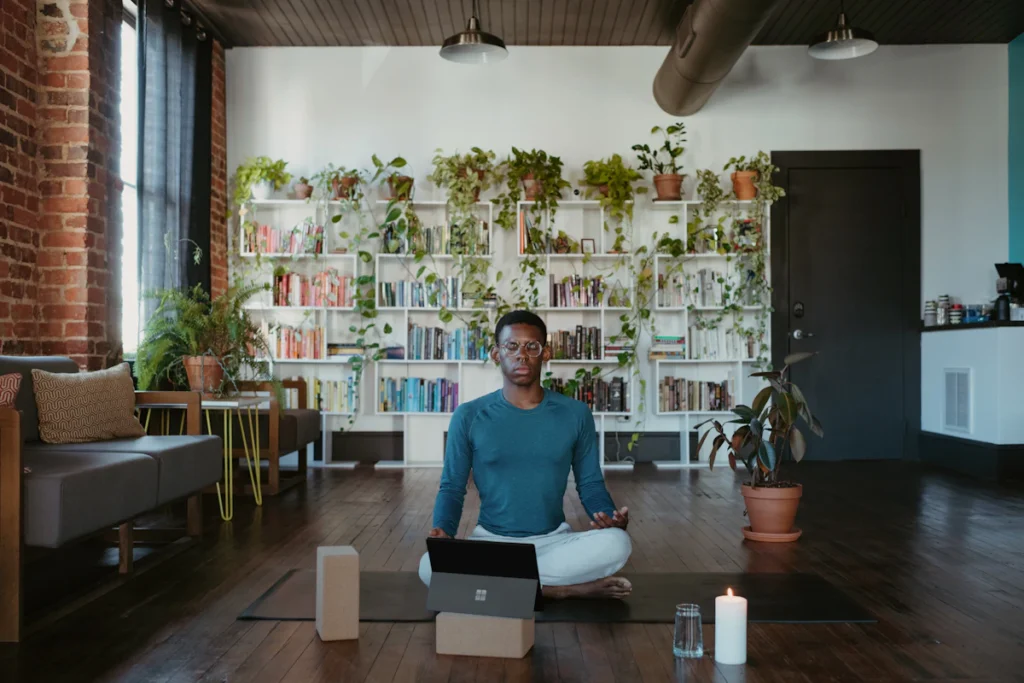
- Breathe slowly. Long out-breaths calm a racing heart.
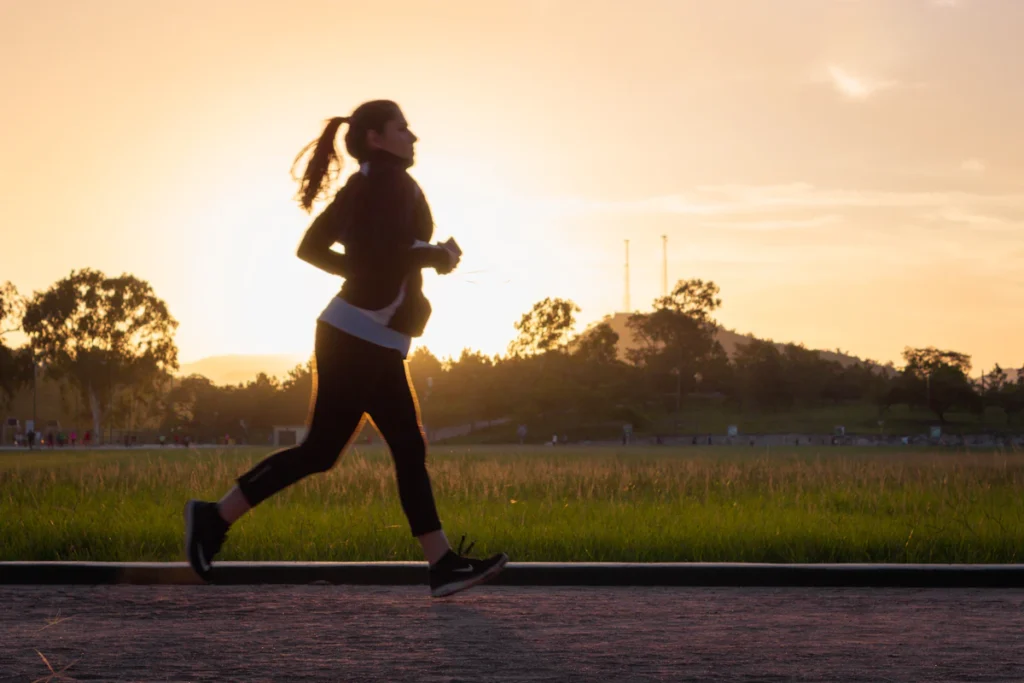
- Get outside. Fresh air and a gentle walk help clear your head.
- Go easy on coffee. Extra caffeine can add to jitteriness.
- Remind yourself why. Say, “This is alcohol leaving my system. It will pass.”
- Delay judgement. Avoid analysing last night until you feel steadier.
For more calming tools, see our guide to breathing and relaxation techniques.
How to prevent anxiety after drinking
The most reliable way to prevent hangxiety is to drink less, or not at all. For healthy adults, Australian guidelines set a limit of 10 standard drinks a week. They also advise no more than 4 on any one day (National Health and Medical Research Council, 2020).
- Count standard drinks, as glasses are often bigger than you think.
- Alternate alcoholic drinks with water.
- Eat before and while drinking.
- Plan alcohol-free days each week.
- Try a month off to see how your anxiety changes.
Many people find their baseline anxiety drops noticeably within a few weeks of cutting back.
Planning a night out when you are prone to hangxiety
A little planning before a night out can sharply reduce next-day anxiety. Deciding your limit in advance is easier than deciding after a few drinks. It also helps to have a plan for the morning, so you are not facing the dread with nothing to do.
- Set a drink limit before you go, and tell a friend.
- Eat a proper meal first and alternate each drink with water.
- Choose alcohol-free or low-alcohol options for some rounds.
- Leave at a set time, so you still get a decent night’s sleep.
- Plan something gentle for the next morning, such as a walk or breakfast with a friend.
Hangxiety myths
Several popular beliefs about hangxiety are untrue and can make the cycle harder to break. The most common is that a drink the next morning will settle your nerves. Clearing up these myths makes it easier to choose habits that help you feel better.
- Myth: “A morning drink fixes it.” Fact: it only delays the comedown and can start a pattern of dependence.
- Myth: “Strong coffee clears your head.” Fact: caffeine can add jitters and a racing heart on top of hangxiety.
- Myth: “Hangxiety means I did something terrible.” Fact: the dread is largely chemical. Check the facts before assuming the worst.
When to get help
Seek support if you often drink to cope with anxiety, find it hard to cut back, or feel anxious most days after drinking. Truewell also offers support for alcohol use if drinking itself has become a concern. Cutting down is often easier with a plan and someone in your corner.
Truewell’s AHPRA-registered practitioners help people manage anxiety without relying on alcohol, by phone or video across Australia. Check if you are eligible online. For confidential alcohol advice, call the National Alcohol and Other Drug Hotline on 1800 250 015. If you are in crisis, call 000 or Lifeline on 13 11 14, 24/7.
The bottom line
- Hangxiety is anxiety after drinking, caused by the brain rebounding as alcohol wears off.
- Poor sleep, stress hormones and dehydration add to it.
- Shy or anxious people tend to feel it more strongly.
- Alcohol eases anxiety briefly but raises it over time.
- Drinking less is the most reliable way to prevent it.
Next time you plan a night out, decide your drink limit in advance and tell a friend. A plan made sober is easier to stick to.
Sources checked (November 2026): Marsh and colleagues (2019); NHMRC (2020); DSM-5-TR (2022); Andrews and colleagues (2018) and Hofmann and Smits (2008).
References
- Marsh B, Carlyle M, Carter E, et al. Shyness, alcohol use disorders and “hangxiety”: a naturalistic study of social drinkers. Pers Individ Dif. 2019;139:13–18. doi:10.1016/j.paid.2018.10.034
- National Health and Medical Research Council. Australian Guidelines to Reduce Health Risks from Drinking Alcohol. Canberra: NHMRC; 2020. Accessed November 2026.
- American Psychiatric Association. Diagnostic and Statistical Manual of Mental Disorders, Fifth Edition, Text Revision (DSM-5-TR). Washington, DC: APA; 2022.
- Andrews G, Bell C, Boyce P, et al. Royal Australian and New Zealand College of Psychiatrists clinical practice guidelines for the treatment of panic disorder, social anxiety disorder and generalised anxiety disorder. Aust N Z J Psychiatry. 2018;52(12):1109–1172. doi:10.1177/0004867418799453
- Hofmann SG, Smits JAJ. Cognitive-behavioral therapy for adult anxiety disorders: a meta-analysis of randomized placebo-controlled trials. J Clin Psychiatry. 2008;69(4):621–632. doi:10.4088/JCP.v69n0415
This article is general information for an Australian audience and is not medical advice. Always talk to a registered health practitioner about your own situation. If you are in crisis or feel unsafe, call 000 or Lifeline on 13 11 14 (24 hours, 7 days).
Last reviewed: November 2026: By Truewell Clinic Team