
Eating disorder support · Phone or video
A kinder relationship with food starts here
When food, eating or your body take up most of your thoughts, everyday life gets exhausting. You do not have to look or feel a certain way to deserve help. Talk privately with an AHPRA-registered practitioner by phone or video about what is going on, and build a plan for change that works alongside your GP.
- No referral needed
- $0 first consultation
- Phone or video, Australia-wide

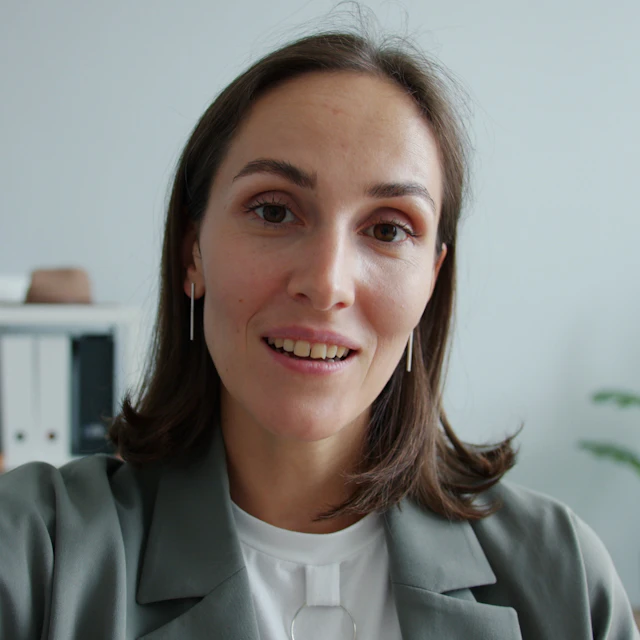 Your telehealth consult
Eating disorder treatment, explained
How eating disorder treatment works
Eating disorder treatment brings together psychological support and medical care. Eating disorders are serious mental health conditions that affect how a person eats, thinks about food and feels about their body. They include binge eating disorder, bulimia nervosa, anorexia nervosa and other patterns. They can affect anyone, at any size, and recovery is possible.
Australian guidelines recommend psychological therapy as a core treatment, with regular medical checks by a GP (Hay and colleagues, 2014). Enhanced cognitive behavioural therapy, known as CBT-E, has strong research support for binge eating disorder and bulimia (Atwood and Friedman, 2020). Truewell provides CBT-based support. Your GP stays responsible for monitoring your physical health.
Eating disorders in Australia
1.1 million
Australians were estimated to be living with an eating disorder in 2024, a rise of about 21 percent since 2012.
Source: Butterfly Foundation and Deloitte Access Economics, Paying the Price, Second Edition, 2024.
01
A gentle first conversation
Your practitioner asks about your eating, your thoughts about food and your body, and your physical health. They also check that a GP is monitoring you, or help you arrange that.
02
Break the cycle
CBT-based sessions look at regular eating, the triggers behind bingeing, purging or restricting, and the rules about food that keep the cycle going.
03
Build lasting recovery
Follow-ups help you handle setbacks, reduce body checking and self-criticism, and plan for stressful times. With your consent, your GP is kept updated.
What we help with
Support for different eating disorders
Eating disorders look different for different people. These are some of the patterns we support.
Binge eating disorder
This might sound like
Eating large amounts while feeling out of control, then shame and secrecy afterwards.
Support can include
Regular eating, coping with triggers and breaking the binge and guilt cycle.
Bulimia nervosa
This might sound like
Bingeing followed by vomiting, over-exercising or other ways of trying to make up for eating.
Support can include
CBT-based steps to reduce bingeing and purging, with your GP monitoring your health.
Anorexia and restrictive eating
This might sound like
Strict food rules, fear of gaining weight and eating much less than your body needs.
Support can include
Psychological support alongside close medical care, which is essential for restrictive eating.
ARFID
This might sound like
Avoiding many foods because of texture, fear of choking or low interest in eating, not body image.
Support can include
Gradual, practical steps to widen what you eat, together with your GP.
Disordered eating
This might sound like
Constant dieting, guilt after eating or rules that are starting to take over.
Support can include
Early support to loosen food rules before they become harder to change.
Parents, partners and carers
This might sound like
Worry about a loved one’s eating and fear of saying the wrong thing.
Support can include
Understanding the illness, supportive conversations and caring for yourself.
Is online support right for you?
Who eating disorder support can help
Online support may help if you:
- Have binge eating, bulimia or another eating disorder and want to change
- Feel food, weight or shape take up too much of your day
- Have a GP who can check your physical health, or are willing to see one
- Feel too ashamed to talk about eating face to face
- Want ongoing support after a hospital or day program
- Are worried about a family member's eating
Get medical help urgently if
Fainting, chest pain, a racing or irregular heartbeat, confusion or severe weakness can be signs of a medical emergency. Phone 000, or go straight to a hospital emergency department.
If you are having thoughts of suicide, call 000 or Lifeline on 13 11 14 straight away.
Telehealth support does not replace medical monitoring. Eating disorders can affect the heart and other organs, so regular checks with your GP are needed. We do not provide hospital or day-program care.

Eating disorder support online
Private support, without the waiting room
Shame often keeps people with eating disorders from asking for help. Talking from home can make it easier to be honest.
01
Fully private
Talk by phone or video from somewhere you feel comfortable. No one sees you arrive.
02
No focus on how you look
Your practitioner focuses on your thoughts, feelings and eating patterns, not your appearance.
03
Care that connects
With your consent, your GP stays informed, so medical checks and psychological support work together.
Truewell provides eating disorder support through phone or video consultations with AHPRA-registered practitioners, alongside your GP.
Starting is simple
How to begin eating disorder support
1
Answer the pre-screen
About 30 seconds of private questions. There are no questions about your weight at this stage.
2
Book a private time
Choose a time when you can talk without being overheard. After the booking is confirmed, our team contacts you, and your practitioner is available on the day.
3
Talk at your pace
About 20 minutes on eating, how you feel about food and your health checks with your GP. A fuller, detailed consultation is booked after that.
4
CBT-based plan
If clinically appropriate, your plan and check-in dates go into your patient portal. Your GP stays involved for medical checks. You can change practitioner if needed.
Your practitioner
Who you'll speak with
An AHPRA-registered healthcare practitioner who talks about food and bodies with care. With your consent, they keep your GP, and any dietitian you see, in the loop.

What to have ready
- Contact details for your GP, and for any dietitian you see
- Any recent letters or test results from your GP
- Medicines and supplements you take, with doses
- A rough idea of what a typical day of eating looks like
- Concession card, if you have a current card
A pre-consent form is part of getting started. How it works covers the rest.
Transparent pricing
What eating disorder treatment costs
Your first consult costs $0. After that, each follow-up is a fixed $29, with no long program to sign up for.
Initial consultation
$020 minutes
Your assessment and first plan, at no cost.
Follow-up consultation
$2910–15 minutes
Each review of your progress and care plan.
Concession card holders*
15 percentoff
Applies to eligible concession card holders.
*Commonwealth Health Care Card or Seniors Health and Pensioners Concession Card holders.
Any other costs related to your care are discussed with you before anything goes ahead. Prices current as of November 2026. See transparent pricing.
Eating disorder care in Australia
GP, specialist service or online support?
Eating disorder treatment is usually a team effort, and each part of the team does a different job.
| Option | Referral needed? | Cost | How you access it | Best for |
|---|---|---|---|---|
| GP | No | Varies by practice | In person or telehealth | Physical health checks, blood tests and referrals |
| Dietitian | Not to book privately | Private fees vary | In person or telehealth | Meal planning and nutrition support |
| Hospital or day program | Usually | Varies by program | In person | Severe illness or medical risk |
| Truewell support | No | $0 first consult, $29 follow-ups | Phone or video, Australia-wide | Regular CBT-based support alongside your GP |
Eating disorder care works best as a team. Your GP checks your physical health, and Truewell provides the psychological support.
Questions about eating disorder support
Eating disorder treatment FAQs
Unsure about something? Our patient support team answers eating disorder questions with care and privacy.
Am I "sick enough" to get help?
Yes. There is no level of illness you have to reach first. Eating disorders affect people of every body size, and getting support early usually makes recovery easier.
Why do I need a GP as well?
Eating disorders can affect your heart, blood and bones without obvious signs. Your GP checks your physical health while your practitioner supports the psychological side.
Can you help with binge eating?
Yes. Binge eating disorder is the most common eating disorder, and CBT-based support has good evidence for reducing binges and the guilt that follows.
Will you tell me to diet or lose weight?
No. Support focuses on regular eating, coping with triggers and loosening food rules, not on dieting or changing your size.
Can I book for my child or partner?
You can book a consult for yourself to learn how to support them. Your practitioner will also talk about what care would suit your loved one.
Is it confidential?
Yes. Your details are handled under our Privacy Policy and shared only with your consent, unless there is a serious risk to your safety or the law requires it. Video consults are encrypted.
What if my body or mind feels unsafe?
If you feel physically unwell or unsafe, call 000 or go to an emergency department now. Lifeline answers on 13 11 14, 24/7. Then tell your GP what happened.
Free, private first consult
Start your recovery at your own pace
The pre-screen is private and takes about 30 seconds. If our service suits you, book a consult from wherever you feel safe.
This page is general information only and is not a substitute for professional advice, diagnosis or treatment.
Last reviewed: November 2026 by Truewell Clinic Team
References
- Butterfly Foundation and Deloitte Access Economics. Paying the Price, Second Edition: the economic and social impact of eating disorders in Australia. 2024. Accessed November 2026.
- Hay P, Chinn D, Forbes D, et al. Royal Australian and New Zealand College of Psychiatrists clinical practice guidelines for the treatment of eating disorders. Aust N Z J Psychiatry. 2014;48(11):977–1008. doi:10.1177/0004867414555814
- Atwood ME, Friedman A. A systematic review of enhanced cognitive behavioral therapy (CBT-E) for eating disorders. Int J Eat Disord. 2020;53(3):311–330. doi:10.1002/eat.23206