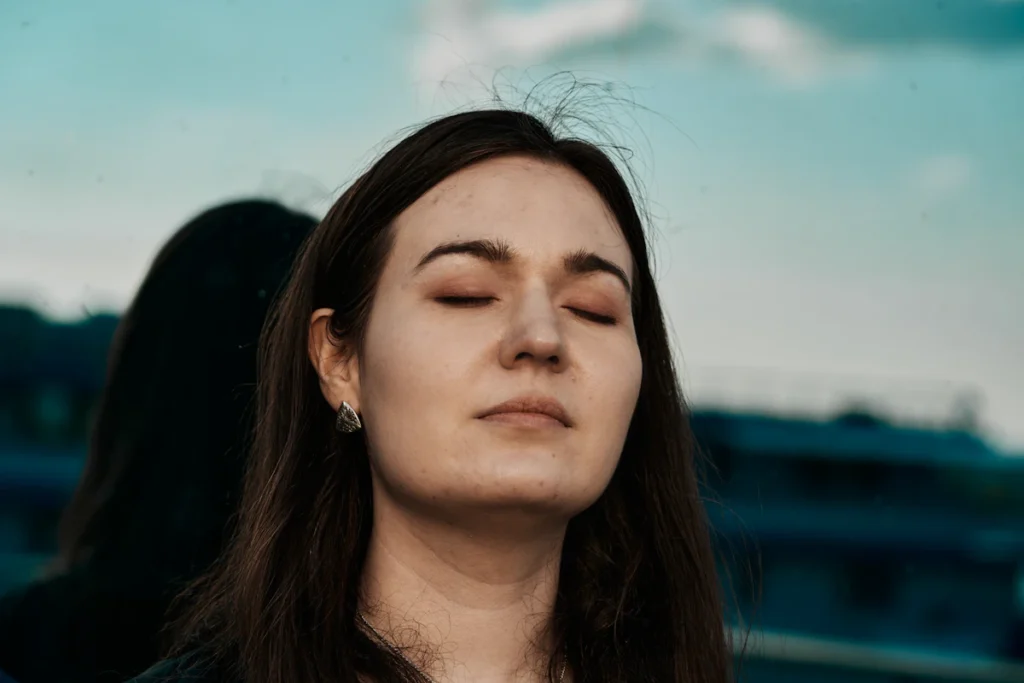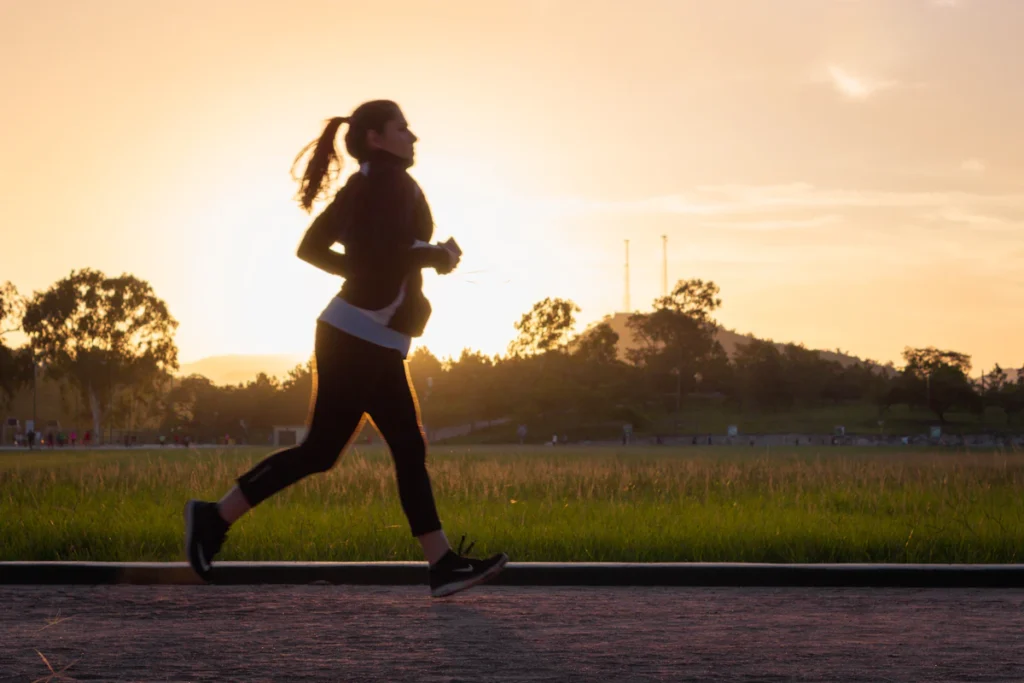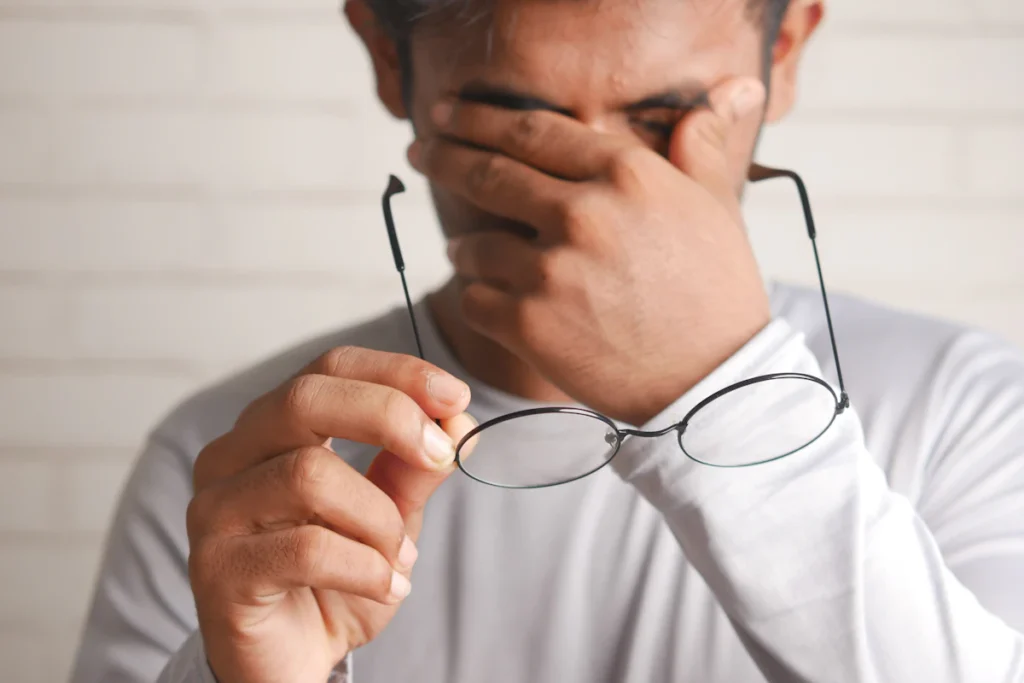
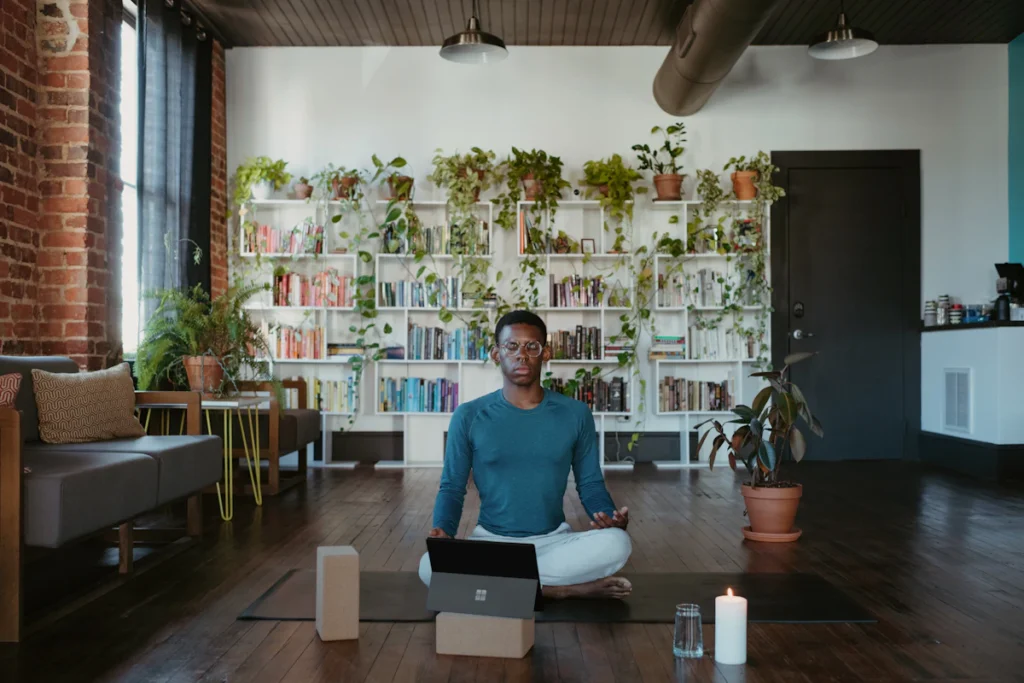
When anxiety hits, your mind races ahead to everything that could go wrong. Meditation trains the opposite skill: noticing what is happening right now, without being swept away by it. It sounds simple, and it is. It just takes practice.
This guide explains how meditation for anxiety works, which types have the best evidence, and five practices you can try today. If you want someone to guide your practice, anxiety support with an AHPRA-registered practitioner is available by phone or video.
Does meditation help anxiety?
Yes. Meditation, especially mindfulness meditation, can reduce anxiety. A 2014 review of 47 trials found mindfulness programs led to moderate improvements in anxiety, with some benefit still present months later (Goyal and colleagues, 2014). Effects are usually small to moderate and build with regular practice.
Meditation was not shown to be better than other active treatments, such as exercise or therapy. It works best as one part of a wider plan.
How meditation calms an anxious mind
Anxiety tends to pull your attention into the future and into “what if” thoughts. Meditation gently brings it back to the present. Over time, you learn to see thoughts as passing events rather than facts you must act on. This creates a little space between a worry and your reaction.
- Slows the stress response. Calm, focused attention and slow breathing activate the body’s rest mode.
- Reduces rumination. You practise noticing worry and letting it go.
- Builds tolerance. You learn to sit with uncomfortable feelings without needing to escape them.
- Improves attention. Regular practice strengthens your ability to focus where you choose.
Types of meditation for anxiety
There are many styles of meditation, and no single type works best for everyone. Some focus on the breath or body, while others use movement, sound or kind phrases. The table compares the most common types and who they suit.
| Type | What you do | Good for |
|---|---|---|
| Mindfulness meditation | Notice breath, body and thoughts without judging | Everyday anxiety and worry |
| Body scan | Move attention slowly through each part of the body | Muscle tension, sleep |
| Breath-focused meditation | Rest attention on the breath, often with slow exhales | Quick calming, beginners |
| Loving-kindness | Repeat kind wishes for yourself and others | Self-criticism, low mood |
| Walking meditation | Pay attention to each step and your surroundings | Restlessness, people who find sitting hard |
| Guided meditation | Follow a recorded voice through a practice | Beginners, bedtime |
Structured mindfulness programs, such as mindfulness-based stress reduction (MBSR) and mindfulness-based cognitive therapy (MBCT), teach these skills over about eight weeks.
5 simple meditation practices for anxiety
Pick the one that appeals to you and try it daily for a week. Sit, lie or walk, whatever feels comfortable. Each takes five to ten minutes and needs no special equipment. If one feels unpleasant, switch to another rather than pushing through.
1. Three-minute breathing space
- Minute one: notice what you are thinking and feeling right now.
- Minute two: bring all your attention to your breath.
- Minute three: widen your attention to your whole body.
This short practice comes from MBCT and fits into a busy day.
2. Breath counting
Sit comfortably and count each out-breath from one to ten, then start again. If you lose count, simply begin at one. Losing count is part of the practice, not a failure.
3. Body scan
Lie down and move your attention slowly from your toes to your head. Notice any tension, warmth or tingling without trying to change it. Allow 10 to 20 minutes. Many people find this helpful at bedtime.
4. Leaves on a stream
Picture a gentle stream with leaves floating past. Each time a thought appears, place it on a leaf and watch it drift away. This helps you step back from worries instead of arguing with them.
5. Mindful walking
Walk slowly and notice the lift, swing and placement of each foot. Notice sounds, air and light. If your mind wanders to worries, gently return to your feet.
Meditation for anxiety and sleep
Night-time is when many anxious thoughts appear. A body scan or slow breath-focused meditation in bed can help your body settle. Keep the practice gentle and avoid checking whether it is “working”, as that can keep you alert. Try it once the lights are out.
If you are often awake with worry, a guided recording with a calm voice can make it easier to stay focused.
Common problems when meditating with anxiety
Meditation can feel harder when you are anxious, and most beginners run into the same problems early on. These challenges are normal and do not mean meditation is wrong for you. Here is how to handle the most common ones:
- “My mind won’t stop.” That is normal. The skill is noticing and returning, not having an empty mind.
- “I feel more anxious.” Focusing inward can make sensations feel louder at first. Let your breath happen on its own rather than controlling it. Eyes open, shorter sessions or walking meditation can also help.
- “I don’t have time.” Start with three minutes. Consistency matters more than length.
- “I’m doing it wrong.” There is no perfect meditation. Showing up is the practice.
If meditation brings up distressing memories or strong panic, stop and talk to a health professional. Some people, especially those with trauma, benefit from guided support.
How long until meditation helps anxiety?
Some people feel calmer after one session. Lasting changes usually build over several weeks of regular practice. Aim for 10 minutes most days, and treat it like brushing your teeth: a small daily habit. Tracking your mood weekly helps you notice slow change.
For a ranked look at other lifestyle approaches, see how to reduce anxiety naturally. Moving your body pairs well with meditation, as our guide to exercise and anxiety explains.
Is meditation safe for everyone with anxiety?
Meditation is safe for most people, but it does not suit everyone at every time. A small number of people feel more anxious, notice unsettling memories or feel detached during practice. This is more likely with long, intense sessions or after trauma, so short, gentle practice is best.
If meditation brings up distressing feelings, stop and try a movement-based practice such as walking meditation or gentle yoga instead. People with a history of trauma, psychosis or severe depression should talk to their practitioner first.
Meditation vs other ways to ease anxiety
Meditation is one tool among several, and it works best as part of a wider plan. Research shows a small to moderate benefit for anxiety (Goyal and colleagues). CBT has stronger evidence for anxiety disorders, so meditation is best seen as a helpful addition rather than a replacement.
| Approach | Best for |
|---|---|
| Meditation | Daily calm and noticing thoughts without reacting |
| Slow breathing | Fast relief during a spike |
| Exercise | Lowering overall tension and improving sleep |
| CBT | Changing the patterns that keep anxiety going |
When to get help
Meditation is a helpful skill, but it is not a replacement for treatment when anxiety is moderate or severe. Seek support if anxiety is affecting your sleep, work or relationships, or if it is not easing with self-help. It works well alongside therapy.
Truewell’s AHPRA-registered practitioners can teach mindfulness skills as part of a broader plan, by phone or video. Start your eligibility check today. If you are thinking about suicide, call 000 or talk with Lifeline on 13 11 14, available 24/7.
The bottom line
- Mindfulness meditation can reduce anxiety, with small to moderate effects.
- It works by bringing attention back to the present and easing rumination.
- Short, regular practice matters more than long sessions.
- A wandering mind is normal and part of the practice.
- Meditation works best alongside other support for ongoing anxiety.
Try the three-minute breathing space once today. Set a reminder so it becomes part of your routine.
Sources checked (November 2026): Goyal and colleagues (2014); Hofmann and colleagues (2010); Balban and colleagues (2023); Andrews and colleagues (2018) and Hofmann and Smits (2008).
References
- Goyal M, Singh S, Sibinga EMS, et al. Meditation programs for psychological stress and well-being: a systematic review and meta-analysis. JAMA Intern Med. 2014;174(3):357–368. doi:10.1001/jamainternmed.2013.13018
- Hofmann SG, Sawyer AT, Witt AA, Oh D. The effect of mindfulness-based therapy on anxiety and depression: a meta-analytic review. J Consult Clin Psychol. 2010;78(2):169–183. doi:10.1037/a0018555
- Balban MY, Neri E, Kogon MM, et al. Brief structured respiration practices enhance mood and reduce physiological arousal. Cell Rep Med. 2023;4(1):100895. doi:10.1016/j.xcrm.2022.100895
- Andrews G, Bell C, Boyce P, et al. Royal Australian and New Zealand College of Psychiatrists clinical practice guidelines for the treatment of panic disorder, social anxiety disorder and generalised anxiety disorder. Aust N Z J Psychiatry. 2018;52(12):1109–1172. doi:10.1177/0004867418799453
- Hofmann SG, Smits JAJ. Cognitive-behavioral therapy for adult anxiety disorders: a meta-analysis of randomized placebo-controlled trials. J Clin Psychiatry. 2008;69(4):621–632. doi:10.4088/JCP.v69n0415
This article is general information for an Australian audience and is not medical advice. Always talk to a registered health practitioner about your own situation. If you are in crisis or feel unsafe, call 000 or Lifeline on 13 11 14 (24 hours, 7 days).
Last reviewed: November 2026: By Truewell Clinic Team