
Burnout and stress counselling · Phone or video
Therapy for burnout when you are running on empty
You’re tired in a way sleep doesn’t fix. Small tasks feel huge, you care less about work you used to enjoy, and your patience is gone by lunchtime. Burnout and long-term stress don’t clear up by pushing harder. A practitioner can help you work out what’s draining you and build a recovery plan that fits real life, by phone or video.
- No referral needed
- $0 first consultation
- Phone or video, Australia-wide

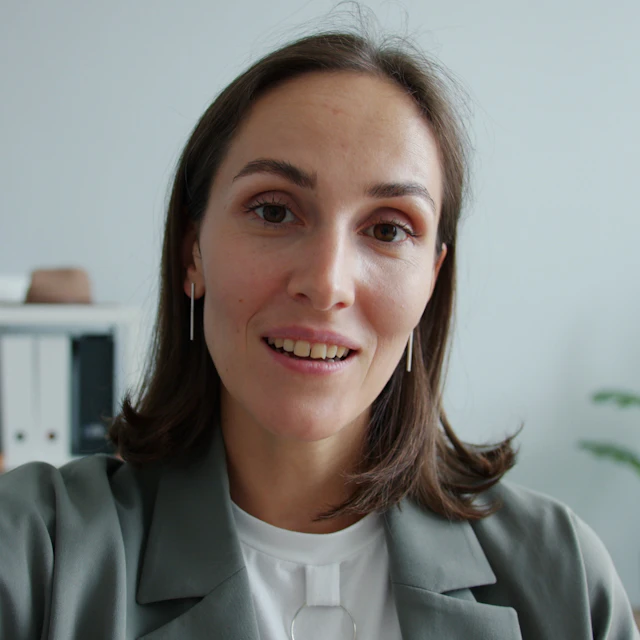 Your telehealth consult
Recovering from burnout
How burnout therapy helps you recover
The World Health Organization describes burnout as the result of chronic workplace stress that has not been managed. It has three signs: exhaustion, feeling distant or cynical about your work, and doing less well at it. The same pattern can come from caring for someone, parenting or study.
Recovery means reducing what drains you and rebuilding what restores you. In a major review of workplace stress programs, cognitive behavioural approaches had the strongest effects (Richardson and Rothstein, 2008). Stress counselling with Truewell takes three steps.
Work stress in Australia
12 percent
of serious workers’ compensation claims in Australia are for mental health conditions. These claims involve about 5 times more time off work than other injuries.
Source: Safe Work Australia, Key Work Health and Safety Statistics Australia 2025.
01
Find the drains
Your practitioner looks at your workload, sleep, relationships, money and health to find what is using up your energy, and how long it has been going on. They also check whether depression or anxiety is part of the picture.
02
Protect your energy
CBT-based stress management helps you tackle perfectionism and people-pleasing, set boundaries, plan recovery time and calm a nervous system stuck on high. Changes start small, because you have little to spare.
03
Rebuild and prevent the next crash
Follow-ups check your energy, sleep and mood as you recover. You plan for the pressures that caused burnout, so it is less likely to happen again. If you need a psychologist or other support, we help arrange it.
Kinds of burnout
Burnout is not only about work
Any long stretch of demand without enough recovery can lead to burnout. These are the most common sources.
Work burnout
Running on empty looks like
Dreading Monday on Sunday, feeling cynical about your job and getting less done no matter how long you work.
Recovery focuses on
Workload, boundaries, and what you can change at work versus what you need to accept or leave.
Chronic stress
Running on empty looks like
Months of feeling tense, irritable and wired, with headaches, poor sleep or a racing mind.
Recovery focuses on
Calming the stress response, sleep, and practical stress management that fits your day.
Carer burnout
Running on empty looks like
Looking after a partner, parent or child with high needs until there is nothing left for you.
Recovery focuses on
Sharing the load, asking for help and protecting time for yourself without guilt.
Parent burnout
Running on empty looks like
Feeling emotionally drained by parenting and distant from your kids, then guilty about it.
Recovery focuses on
Realistic expectations, support at home and small, regular recovery time.
Study burnout
Running on empty looks like
Exhaustion and lost motivation from study, often while working too.
Recovery focuses on
Workload planning, procrastination, perfectionism and rest that actually restores you.
Stress after a big change
Running on empty looks like
Redundancy, a move, money pressure or a breakup piling on top of everything else.
Recovery focuses on
Steadying the basics first, then problem-solving the change one step at a time.
Stress or burnout?
When stress tips into burnout
Burnout therapy could help if you:
- Feel exhausted most days, even after a weekend or holiday
- Have become cynical, numb or detached about work or caring
- Struggle to concentrate and are making more mistakes
- Get sick more often, or have headaches, tension or poor sleep
- Snap at people you care about, then feel bad
- Know something has to change but cannot see where to start
When it may be more than burnout
If exhaustion has turned into thoughts of suicide or self-harm, call 000 or Lifeline on 13 11 14 now. Scheduled telehealth consults are not set up for emergencies.
Burnout can overlap with depression or anxiety. If your low mood stays even away from work, or you have lost interest in everything, tell your practitioner. They will make sure you get the right care.

Online stress counselling
Stress therapy that does not add more to your plate
When you are burnt out, travelling to appointments is one more drain. Telehealth keeps support simple.
01
No travel, no time lost
A consult takes the time of the call. Use a lunch break, an early morning or the evening.
02
Talk from outside the pressure
Step away from the office or the household and talk somewhere you can think clearly.
03
Keep going on busy weeks
Phone follow-ups mean support continues even when your schedule falls apart.
Burnout is not a medical diagnosis. The WHO classifies it as an occupational phenomenon in ICD-11, which is why recovery focuses on both you and your circumstances.
Booking takes minutes
How to start stress counselling with Truewell
1
Answer the pre-screen
A short, confidential set of questions, about 30 seconds, to check our service suits where you are with stress.
2
Find a gap in your week
Book a time that will not add pressure, even a lunch break. After confirmation, our team contacts you, and your practitioner is available on your booked date.
3
Unpack the load
Your first consult, about 20 minutes, covers what is draining you, how long it has built up and how you are sleeping. Then a detailed consultation is arranged.
4
A recovery plan
If clinically appropriate, you get a plan for energy and limits, with follow-up dates in your patient portal. Ask anytime if you would like a different practitioner.
Your practitioner
Who you'll speak with
An AHPRA-registered healthcare practitioner who looks at your workload, sleep and limits together. If you agree, they can let your GP or psychologist know how your recovery is going.

What to have ready
- A short list of what is draining you most right now
- How long you have been feeling this way
- Medicines you take, with their doses
- Any letters from your GP or psychologist, if you have them
- Your concession card, if you are a holder
There is a pre-consent form to sign first. How it works walks through the process.
Transparent pricing
What burnout therapy costs
Your first stress and burnout consult is free. Each follow-up is a fixed $29, so you know the cost of recovery upfront.
Initial consultation
$020 minutes
Your assessment and first plan, at no cost.
Follow-up consultation
$2910–15 minutes
Each review of your progress and care plan.
Concession card holders*
15 percentoff
Applies to eligible concession card holders.
*Commonwealth Health Care Card or Seniors Health and Pensioners Concession Card holders.
Any other costs related to your care are discussed with you before anything goes ahead. Prices current as of November 2026. See transparent pricing.
Where to get stress support
Burnout psychologist, GP or online counselling?
Looking for a burnout psychologist or stress counselling? This table shows what each option is best for.
| Option | Referral needed? | Cost | How you access it | Best for |
|---|---|---|---|---|
| GP | No | Varies by practice | In person or telehealth | A health check, ruling out physical causes and referrals |
| Psychologist | Not to book privately | Private fees vary | In person or telehealth | Structured therapy for stress, burnout and related conditions |
| Private counsellor | No | Private fees vary | In person or telehealth | Talking through work pressure and life changes |
| Truewell stress and burnout counselling | No | $0 first consult, $29 follow-ups | Phone or video, Australia-wide | CBT-based stress management with ongoing follow-ups |
Burnout often touches work, sleep and health at once. Truewell can sit alongside your GP, who can check for physical causes.
Burnout and stress questions
Stress and burnout FAQs
Got a burnout question we have not covered? Our patient support team will gladly answer it.
What is the best treatment for burnout?
Burnout treatment usually combines changes to what is draining you, such as workload or boundaries, with skills to manage stress and restore energy. CBT-based approaches have good research support for work stress. Your first consult works out where to start.
What is the difference between stress and burnout?
Stress often feels like too much: urgency, pressure and being wired. Burnout feels like not enough: empty, detached and out of energy. Stress that goes on without recovery can turn into burnout.
How long does it take to recover from burnout?
It varies with how long you have been burnt out and what can change around you. Many people feel some relief within weeks of making changes, while full recovery can take months.
Can I recover without quitting my job?
Often, yes. Many people recover by changing how they work, what they say yes to and how they rest. Sometimes a bigger change is needed, and your practitioner can help you think it through.
Is online stress counselling effective?
Yes. Counselling for stress, including CBT-based skills, works well by phone or video, and not having to travel makes it easier to keep going.
Does burnout care involve medication?
No. Our stress and burnout care focuses on counselling, practical strategies and regular follow-ups, and you decide what goes into your plan.
Does this replace my GP or psychologist?
No. Keep the GP or psychologist you already see. With your consent, your practitioner can let them know how your recovery is going.
Will my employer find out?
No. We do not contact your employer. Your records are kept under our Privacy Policy, shared only with your consent unless the law requires it, and video consults are encrypted.
What if I reach breaking point?
If you are in danger, call 000 straight away. Lifeline offers support 24/7 on 13 11 14. Then tell your practitioner, so your plan can change.
Free first consult
Start your burnout recovery
Thirty seconds is all the pre-screen takes. If our service suits you, book a time that fits around work.
This page is general information only and is not a substitute for professional advice, diagnosis or treatment.
Last reviewed: November 2026 by Truewell Clinic Team
References
- World Health Organization. Burn-out an “occupational phenomenon”: International Classification of Diseases. 2019. Accessed November 2026.
- Safe Work Australia. Key Work Health and Safety Statistics Australia 2025. Accessed November 2026.
- Healthdirect Australia. Stress. Accessed November 2026.
- Richardson KM, Rothstein HR. Effects of occupational stress management intervention programs: a meta-analysis. J Occup Health Psychol. 2008;13(1):69–93. doi:10.1037/1076-8998.13.1.69