
Alcohol use support · Phone or video
Change your drinking on your terms
Whether you want to stop drinking, cut back or simply understand your relationship with alcohol, you don’t have to work it out alone. Talk privately with an AHPRA-registered practitioner by phone or video, set a goal that feels realistic, and get steady support to reach it. No referral and no lecture.
- No referral needed
- $0 first consultation
- Phone or video, Australia-wide

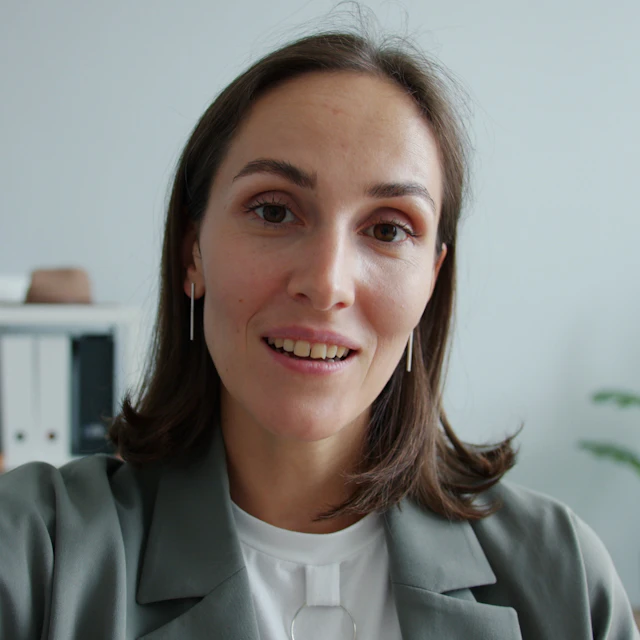 Your telehealth consult
Alcohol addiction treatment, explained
What alcohol addiction treatment involves
Alcohol addiction treatment starts from one idea: alcohol use disorder is a health condition, not a character flaw. Over time, regular drinking changes how the brain handles stress and reward, so a drink can start to feel like the only way to relax, sleep or cope. Good treatment looks at why you drink, not only how much.
Australian experts recommend counselling approaches such as cognitive behavioural therapy (CBT) and motivational interviewing as core parts of care for alcohol problems (Haber and colleagues, 2021). Truewell offers CBT-based alcohol counselling by phone or video. We do not run detox or rehab programs, but we help you reach one if you need it.
Drinking in Australia
1 in 3
Australians aged 14 and over drank at levels that raise their risk of harm (31 percent, about 6.6 million people).
Source: Australian Institute of Health and Welfare, National Drug Strategy Household Survey 2022–2023.
01
Start with where you are
Your practitioner asks how much and how often you drink, what drinking does for you and what it is costing you. They also check whether stopping suddenly could be unsafe. Then you choose the goal: drinking less, taking a break or stopping.
02
Build skills that last
CBT-based counselling helps you notice the moments that lead to a drink, handle cravings and social pressure, and find other ways to unwind, sleep or manage stress.
03
Keep going with support
Short follow-ups help you track progress and adjust the plan. If you need medically supervised withdrawal or a specialist alcohol and other drug service, we help you arrange it and keep supporting you alongside.
Who we help
Alcohol support for different situations
There is no single type of problem drinking. These are some of the reasons people talk to us about alcohol.
Drinking more than you planned
You might notice
One drink turns into five, or nights you meant to skip keep becoming drinking nights.
What we work on
Your patterns and triggers, and limits you can actually keep.
Drinking to cope
You might notice
Reaching for alcohol to switch off after work, ease anxiety, numb low mood or get to sleep.
What we work on
What the drink is doing for you, and other ways to get that relief. Anxiety, mood and sleep can be part of the plan.
High-functioning drinking
You might notice
Work and life look fine from the outside, but you drink most days and worry about how much.
What we work on
An honest look at the risks, a goal that fits your life, and support that stays private.
Binge drinking
You might notice
Big sessions at weekends or events, followed by hangovers, blackouts or regret.
What we work on
Planning for high-risk occasions, pacing yourself and saying no without losing face.
Staying on track after a break
You might notice
You have stopped or cut back and want to keep it that way, especially through stressful times.
What we work on
Relapse prevention, new routines and check-ins that help the change stick.
Worried about someone's drinking
You might notice
A partner, parent or friend’s drinking is affecting them, and you.
What we work on
How to raise it, set boundaries and look after your own wellbeing.
Checking in with yourself
Is your drinking worth a closer look?
It may be time to talk if you:
- Often drink more, or for longer, than you meant to
- Have tried to cut down and found it harder than expected
- Feel you need a drink to relax, sleep or face social situations
- Feel shaky, sweaty, anxious or irritable when you go without
- Notice drinking is affecting your health, work, money or relationships
- Would rather talk privately than walk into a clinic
Before you stop drinking
Do not stop suddenly if you drink heavily every day. Alcohol withdrawal can cause seizures and other serious problems. Speak to a practitioner or your GP first so withdrawal can be managed safely.
In an emergency, call 000. For confidential advice about drinking, call the National Alcohol and Other Drug Hotline on 1800 250 015. Lifeline takes calls 24/7 on 13 11 14.
We do not provide detox, rehab or emergency care. If you need any of these, your practitioner will help you find the right service.

Alcohol counselling online
Support that fits around real life
Many people put off getting help because they worry about being judged or seen. Talking from home takes that pressure away.
01
Private from the first call
No waiting room and no one you know at reception. Just you and your practitioner, by phone or video.
02
Help in the weeks that matter
Follow-ups fit around work and family, so support stays close during the weeks when change is hardest.
03
The same care wherever you live
Alcohol support can be hard to find outside the big cities. Telehealth gives regional and remote Australians the same access.
Truewell provides alcohol support through private telehealth consultations by phone or video with AHPRA-registered practitioners.
Getting started
Starting alcohol counselling with Truewell
1
Answer the pre-screen
About 30 seconds of private questions about your drinking, to check that our service suits you.
2
Choose your time
Pick a time when you can talk privately. Once your booking is confirmed, our team contacts you, and your practitioner is available on your chosen day.
3
Look at your drinking
About 20 minutes on how much and how often you drink, and what you want to change. A detailed consultation comes next.
4
Cut back or stop
If clinically appropriate, your plan sets realistic goals, with follow-up dates in your patient portal. A different practitioner is fine if you would prefer one.
Your practitioner
Who you'll speak with
An AHPRA-registered healthcare practitioner who works under Australian healthcare standards and talks about drinking without judgement. With your consent, they can keep your GP or other treatment services updated.

What to have ready
- A rough idea of how much and how often you drink
- Anything you have tried before to cut down, and what happened
- Your regular medicines and doses
- Contact details for your GP or any service you already see
- Concession card, if you hold one
You will sign a pre-consent form before the first consult. How it works has more.
Transparent pricing
What alcohol addiction treatment costs
Your first consult costs nothing, so you can see whether our approach suits you. Follow-ups are a fixed $29 each, with no long programs to sign up for.
Initial consultation
$020 minutes
Your assessment and first plan, at no cost.
Follow-up consultation
$2910–15 minutes
Each review of your progress and care plan.
Concession card holders*
15 percentoff
Applies to eligible concession card holders.
*Commonwealth Health Care Card or Seniors Health and Pensioners Concession Card holders.
Any other costs related to your care are discussed with you before anything goes ahead. Prices current as of November 2026. See transparent pricing.
Alcohol support in Australia
Rehab, AOD service or alcohol counselling online?
Alcohol addiction treatment comes in different forms. Many people use a mix, depending on how much they drink and what they need.
| Option | Referral needed? | Cost | How you access it | Best for |
|---|---|---|---|---|
| GP | No | Varies by practice | In person or telehealth | A health check, advice on safe withdrawal and referrals |
| Alcohol and other drug (AOD) service | Often not | Varies by service | In person or phone | Assessment, counselling and withdrawal programs |
| Residential rehab | Usually an assessment | Varies by program | Live-in program | Intensive support away from everyday triggers |
| Truewell alcohol support | No | $0 first consult, $29 follow-ups | Phone or video, Australia-wide | Private, ongoing CBT-based counselling to cut back or stop |
Your GP stays important, especially for physical health checks. Truewell can support your drinking goals alongside that.
Common questions about drinking
Alcohol addiction treatment FAQs
Have a question about cutting back or stopping? Our patient support team can help without judgement.
How do I know if I have a drinking problem?
Common signs are drinking more than you planned, struggling to cut down and carrying on despite problems. Australian guidelines suggest no more than 10 standard drinks a week and no more than 4 on any one day. If you often go past that, it is worth talking to someone.
Do I have to give up alcohol completely?
Not necessarily. Some people aim to stop, others want to drink less or take a break first. Your practitioner will be honest about the risks for you, but the goal is yours to choose.
Is it safe to stop drinking on my own?
If you drink heavily most days, stopping suddenly can be dangerous. Talk to a practitioner or your GP before you stop, so withdrawal can be planned and supervised if needed.
Do you offer detox or rehab?
No. Truewell provides counselling and ongoing support by phone or video. If you need supervised withdrawal or a residential program, we help you find one and can support you before and after.
Do I need medication to stop drinking?
No. Our alcohol support is based on counselling, practical skills and regular follow-ups. Your practitioner will tell you if you need medical care, such as help with withdrawal, and help you arrange it.
Will my employer or family find out?
No one hears it from us unless you agree or the law requires it. We handle your details under our Privacy Policy and Australian privacy law.
Can alcohol counselling work over the phone?
Yes. Counselling by phone or video uses the same skills as face-to-face sessions, and many people find it easier to be honest about drinking from home.
Can I get help for someone else's drinking?
Yes. You can book a consult to talk about how to support them, set limits and look after your own wellbeing.
What if drinking puts me or someone else in danger?
Call 000 straight away. Lifeline offers support on 13 11 14, 24/7. The National Alcohol and Other Drug Hotline is on 1800 250 015.
Free, private first consult
Ready to rethink your drinking?
The pre-screen takes about 30 seconds and stays private. If our service suits you, book a time that works around your week.
This page is general information only and is not a substitute for professional advice, diagnosis or treatment.
Last reviewed: November 2026 by Truewell Clinic Team
References
- Australian Institute of Health and Welfare. National Drug Strategy Household Survey 2022–2023: alcohol consumption. Accessed November 2026.
- Haber PS, Riordan BC, Morley KC. Treatment of alcohol problems: current status and future directions. Med J Aust. 2021;215(7):315–316. doi:10.5694/mja2.51265
- National Health and Medical Research Council. Australian guidelines to reduce health risks from drinking alcohol (2020). Accessed November 2026.
- Australian Government Department of Health, Disability and Ageing. National Alcohol and Other Drug Hotline. Accessed November 2026.