
ME/CFS and chronic fatigue support · Phone or video
A chronic fatigue clinic that works within your energy
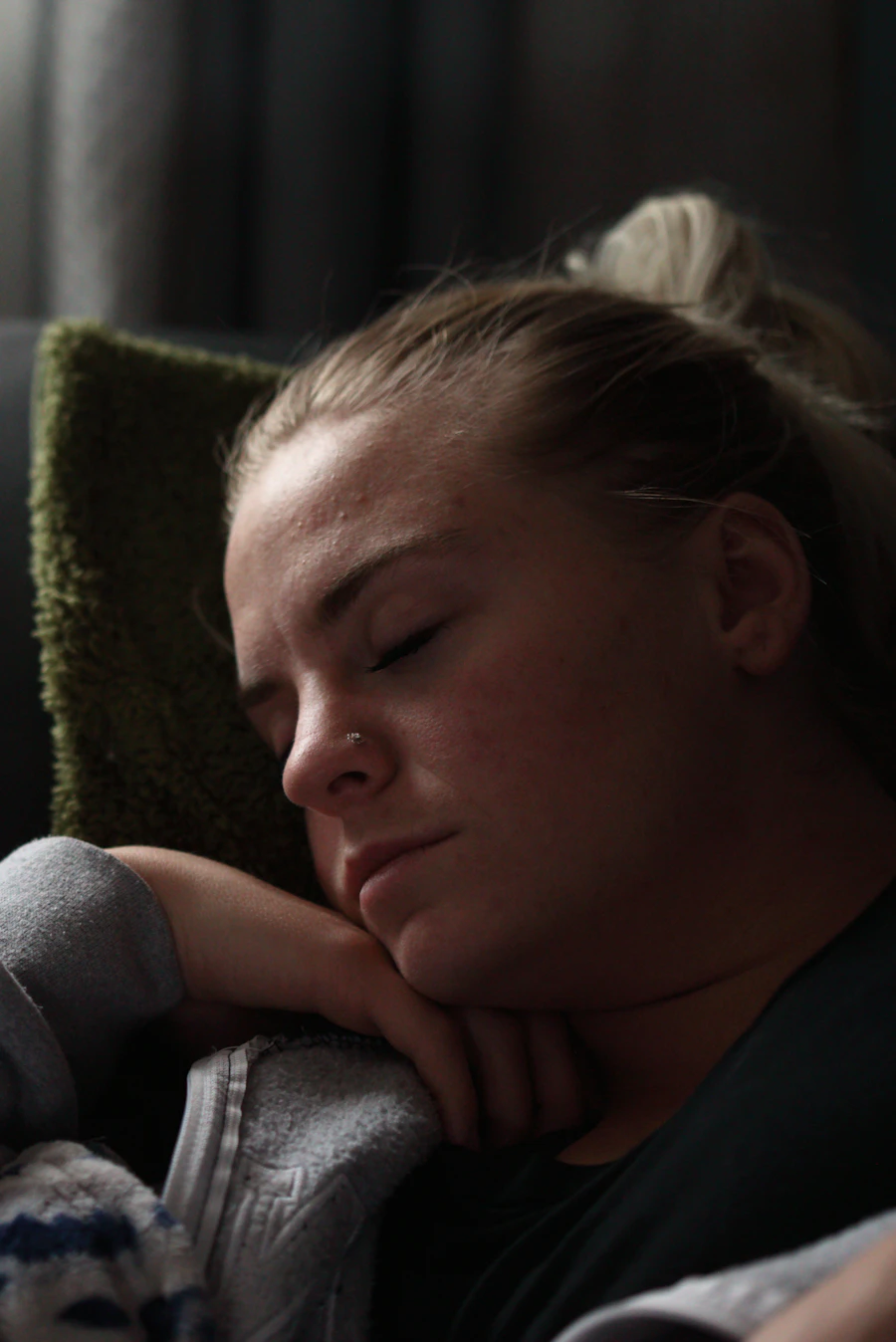
A short walk or a busy afternoon, and a day or two later you can barely get up. Rest helps a little, but never enough. If this sounds familiar, being told to push through can make things worse. Truewell’s chronic fatigue care focuses on pacing: planning your days around the energy you have, so crashes become less frequent. Consults are by phone or video, so you can take them lying down.
- No referral needed
- $0 first consultation
- Phone or video, Australia-wide

 Your telehealth consult
Our approach to ME/CFS
Chronic fatigue treatment built on pacing, not pushing
Myalgic encephalomyelitis/chronic fatigue syndrome (ME/CFS) is a long-term illness, not ordinary tiredness. Its key feature is post-exertional malaise: symptoms get worse after physical or mental activity, often hours or days later. Unrefreshing sleep, brain fog, pain and dizziness on standing are also common.
Treatment aims to manage symptoms and avoid crashes. UK guidelines advise energy management and say graded exercise therapy should not be offered, and Healthdirect agrees it is not recommended (NICE, 2021). Support with Truewell follows three steps.
ME/CFS in Australia
250,000
Australians are estimated to be living with ME/CFS. There is no cure yet, but symptoms can be managed.
Source: Emerge Australia; Healthdirect Australia.
01
Find your energy limits
Your practitioner asks what a good day and a bad day look like, what tends to set off a crash and how long recovery takes. They also check what your GP has tested, because other causes of fatigue need to be ruled out.
02
Plan days that avoid the crash
You learn symptom-led pacing: breaking tasks up, resting before you are exhausted and spreading mental and physical effort across the week. Sleep, dizziness and fog are part of the plan too. If you would like, CBT-based skills can help you cope with the stress of a long illness.
03
Steady support over time
Follow-ups review your crashes and energy and adjust the plan as your health changes, including setbacks. If you need an occupational therapist, help with home or work adjustments, or a specialist, we help organise it.
Symptoms we plan around
ME/CFS is more than feeling tired
Symptoms vary from person to person and from day to day. Your plan starts with the ones that limit you most.
Post-exertional malaise (the crash)
What people describe
Feeling flu-like, wiped out or in pain a day or two after a shower, a shopping trip or a long conversation.
Where support starts
Tracking what triggers crashes and keeping activity inside your limits.
Unrefreshing sleep
What people describe
Sleeping for hours, or barely at all, and waking up just as exhausted.
Where support starts
Regular sleep and rest routines that protect energy without adding pressure.
Brain fog
What people describe
Struggling to read, follow conversations, find words or make decisions.
Where support starts
Spreading thinking tasks across the day and building in quiet recovery time.
Dizziness on standing
What people describe
Feeling light-headed, faint or a racing heart when you stand up or stand still for long.
Where support starts
Practical strategies for daily tasks, and a GP review where it is needed.
Fatigue after a virus or long COVID
What people describe
Never fully recovering after an infection, with a crash after doing too much.
Where support starts
Pacing from early on, plus a GP review to check for other causes.
Severe or housebound ME/CFS
What people describe
Being mostly in bed or at home and very sensitive to light, noise and movement.
Where support starts
Short phone consults, help for carers and making the most of limited energy.
Who this is for
Is our chronic fatigue care right for you?
Our chronic fatigue care may help if you:
- Have a diagnosis of ME/CFS, or think you might have it
- Feel worse a day or two after activity, not just tired
- Have been exhausted for six months or more
- Never recovered properly after a virus or COVID
- Have been told to exercise more and felt worse for it
- Need support that does not drain your limited energy
Tiredness that needs checking first
Call 000 if exhaustion comes with chest pain, severe shortness of breath, fainting or confusion.
See your GP for a check-up if fatigue is new, or comes with weight loss, night sweats, fevers, bleeding or snoring with daytime sleepiness. Conditions such as anaemia, thyroid problems, diabetes or sleep apnoea can cause fatigue and need tests.
Long illness can be isolating. If you have thoughts of suicide, call Lifeline on 13 11 14. Truewell consults cannot provide emergency help.

Telehealth for ME/CFS
Support that does not set off a crash
For many people with ME/CFS, getting to a clinic can cost days of recovery. Telehealth removes that cost.
01
No travel, no recovery days
Getting dressed, travelling and waiting are not part of it. Save that energy for your life.
02
Phone when video is too much
Screens and talking to camera can be draining. Switch to a phone call any time.
03
Shorter, easier consults
Let your practitioner know if you need breaks or to keep things brief. A partner or carer can join to help.
Post-exertional malaise is when symptoms and fatigue get worse after physical or mental activity. It can start hours or days after the activity, which is why pacing plans look ahead.
Low-effort booking
Booking a chronic fatigue consult
1
Answer the pre-screen
About 30 seconds of confidential questions, so you do not spend energy on a service that will not suit you.
2
Book with energy in mind
Pick a time when you are usually least tired. Once confirmed, our team contacts you, and your practitioner is available on that date. Video consults are encrypted.
3
A gentle first talk
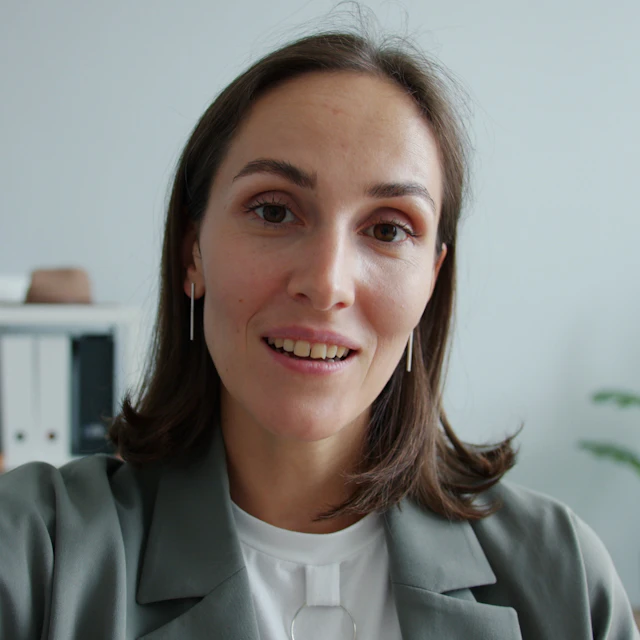
About 20 minutes on your good and bad days and what drains you. You can lie down or turn the camera off. A detailed consultation is planned after that.
4
Pacing plan
If clinically appropriate, you get a pacing plan that protects your energy, with follow-ups in your patient portal. You can switch practitioner at any time.
Your practitioner
Who you'll speak with
An AHPRA-registered healthcare practitioner who knows ME/CFS is not just tiredness. With your consent, they share your pacing plan with your GP, so your care is consistent and you do not have to explain ME/CFS again.
What to have ready
- A rough idea of what a typical good day and bad day look like
- Any recent blood test results from your GP
- Your current medicines and supplements, with doses
- A partner or carer to join, if that helps you
- Concession card details, if you hold a card
Too tired to gather all this? Just book. Your practitioner can work with what you have.
Transparent pricing
What chronic fatigue treatment costs
Your first chronic fatigue consult is free. Follow-ups are $29 each, so long-term support stays predictable.
Initial consultation
$020 minutes
Your assessment and first plan, at no cost.
Follow-up consultation
$2910–15 minutes
Each review of your progress and care plan.
Concession card holders*
15 percentoff
Applies to eligible concession card holders.
*Commonwealth Health Care Card or Seniors Health and Pensioners Concession Card holders.
Any other costs related to your care are discussed with you before anything goes ahead. Prices current as of November 2026. See transparent pricing.
ME/CFS support in Australia
Chronic fatigue specialist, GP or online clinic?
Looking for a chronic fatigue doctor? ME/CFS care is usually shared between a few services. These are the main places people get help.
| Option | Referral needed? | Cost | How you access it | Best for |
|---|---|---|---|---|
| GP | No | Varies by practice | In person or telehealth | Diagnosis, ruling out other causes and ongoing care |
| Medical specialist | Yes, from a GP | Specialist fees vary | In person or telehealth | Complex symptoms such as dizziness on standing or severe illness |
| Occupational therapist | No | Private fees vary | In person or telehealth | Energy-saving changes at home, work or study |
| Truewell chronic fatigue clinic | No | $0 first consult, $29 follow-ups | Phone or video, Australia-wide | Pacing plans, symptom support and regular reviews |
ME/CFS care is shared. Your GP runs tests, and Truewell supports pacing, sleep and coping between visits.
Chronic fatigue questions
ME/CFS and chronic fatigue answers
Have a question about ME/CFS support? Our patient support team can answer it, so you save your energy.
What does treatment for chronic fatigue involve?
There is no cure for ME/CFS yet, so treatment focuses on managing symptoms. The main tool is pacing: keeping activity within your energy limits to reduce crashes. Support for sleep, pain, dizziness and coping is added around that.
Is ME/CFS the same as being tired all the time?
No. Many things cause tiredness. ME/CFS is a specific illness that lasts six months or more, with symptoms that get worse after activity, unrefreshing sleep and problems with thinking or memory.
Will exercise help me get better?
Not in the way it helps most people. Graded exercise therapy, where activity is increased on a set schedule, is not recommended for ME/CFS. Any activity in your plan stays within your limits and changes with your symptoms.
Does offering CBT mean you think it is psychological?
No. ME/CFS is a physical illness. CBT is offered only if you would like it, to help you cope with living with a long-term illness. It is not a cure.
How is ME/CFS diagnosed?
No single test can confirm it. Your GP looks at your symptoms over time and uses blood tests and other checks to rule out conditions such as anaemia, thyroid problems or sleep disorders.
Can long COVID turn into ME/CFS?
Some people with long COVID have symptoms very similar to ME/CFS, including crashes after activity. Pacing is used for both, and your practitioner can help either way.
I am mostly housebound. Can I still get care?
Yes. Consults can be short, by phone and taken lying down, and a carer can join. Telehealth is often the easiest way for people with severe ME/CFS to get regular support.
Will you prescribe anything?
Our chronic fatigue care is built around pacing, symptom planning and regular reviews, and nothing is added to your plan without your agreement.
What if I am struggling emotionally?
Please reach out. Lifeline (13 11 14) answers 24 hours a day if you have thoughts of suicide, and 000 is for any immediate danger. An online consult is never the right place for an emergency.
Free first consult
Plan your days around the energy you have
The pre-screen asks little of you, about 30 seconds. If our service suits you, book a consult you can do lying down.
This page is general information only and is not a substitute for professional advice, diagnosis or treatment.
Last reviewed: November 2026 by Truewell Clinic Team
References
- Healthdirect Australia. Myalgic encephalomyelitis/chronic fatigue syndrome (ME/CFS). Accessed November 2026.
- National Institute for Health and Care Excellence. Myalgic encephalomyelitis (or encephalopathy)/chronic fatigue syndrome: diagnosis and management (NG206). 2021. Accessed November 2026.
- Emerge Australia. About ME/CFS and support services. Accessed November 2026.