
Fibromyalgia clinic · Phone or video
Fibromyalgia treatment that starts by believing you
Pain that moves around your body. Exhaustion no amount of sleep fixes. Losing words mid-sentence. Many people with fibromyalgia spend years being told their tests are normal before anyone takes it seriously. At Truewell, your symptoms are the starting point, and your practitioner works with you on flares, sleep and energy so you can plan your days with more confidence.
- No referral needed
- $0 first consultation
- Phone or video, Australia-wide

 Your telehealth consult
Treating fibromyalgia
Fibromyalgia treatment that works with your body
Fibromyalgia causes widespread pain along with tiredness, poor sleep and trouble thinking clearly, often called fibro fog. Researchers think it involves changes in how the nervous system processes pain, which turn up pain signals. The pain is real, but it is not caused by damage to your joints or muscles, and it does not get steadily worse over time.
There is no single cure, so treatment combines several things. European guidelines for fibromyalgia put non-drug treatments first, and exercise was the only treatment they strongly recommended (Macfarlane et al., 2017). The key is starting gently. Your care with Truewell has three parts.
Fibromyalgia in Australia
2 to 5 percent
of people are estimated to have fibromyalgia. It is more common in women than in men.
Source: Healthdirect Australia, Fibromyalgia.
01
Listen to the whole picture
Your practitioner goes through your pain, sleep, energy, fog, mood and other symptoms, and what your GP or rheumatologist has already checked. If something has not been ruled out, they tell you which tests may help.
02
Settle the flare cycle
You learn to spot your early flare signs and triggers, plan your energy across the week and build sleep routines. Movement starts low, such as a short walk or warm-water exercise, and grows slowly. CBT-based skills help with pain, worry and the frustration of a body that will not cooperate.
03
Adjust as you learn
Follow-ups look at how your flares, sleep and activity are tracking, then fine-tune the plan. If you would benefit from a physio, exercise physiologist, psychologist or rheumatologist, we help you get there.
More than pain
Fibromyalgia touches every part of the day
Pain is the main symptom, but it is rarely the only one. Your plan covers the symptoms that affect you most.
Widespread pain
How it shows up
Aching, burning or stabbing pain on both sides of the body, above and below the waist, that can move from place to place.
How we help
Pacing, gentle movement and pain coping skills that lower the intensity of bad days.
Fibro fog
How it shows up
Losing your train of thought, forgetting words or appointments, and struggling to focus.
How we help
Practical memory aids, planning demanding tasks for your best hours and reducing overload.
Unrefreshing sleep
How it shows up
Waking up stiff and tired even after a full night, or lying awake with pain.
How we help
Sleep routines and CBT-based sleep skills that suit a body in pain.
Flares
How it shows up
Days or weeks when everything gets worse, often after overdoing it, stress, illness or poor sleep.
How we help
A written flare plan, so you know what to do and what to drop when one starts.
Sensitivity
How it shows up
Feeling overwhelmed by noise, bright light, touch, cold or certain smells.
How we help
Spotting your sensory triggers and making changes at home and work.
Living with other conditions
How it shows up
Fibromyalgia often appears alongside irritable bowel, headaches, low mood, anxiety or arthritis.
How we help
Looking at your health as a whole and linking with your GP and specialists.
Could this help you?
Signs you could use fibromyalgia support
Fibromyalgia support may suit you if you:
- Have a fibromyalgia diagnosis, or suspect you have it
- Have had widespread pain for three months or more
- Crash for days after a busy day or a big outing
- Feel foggy, forgetful or unable to focus
- Have felt dismissed or rushed by health services
- Want a plan for flares, not just advice to rest
Symptoms to get checked
See a GP in person if you have hot, red or swollen joints, a fever, a rash, unexplained weight loss or new muscle weakness. These are not typical of fibromyalgia and should be checked.
If you are struggling to cope or having thoughts of suicide, call Lifeline on 13 11 14, or 000 if you are in danger. Our phone and video sessions are not set up for emergencies.
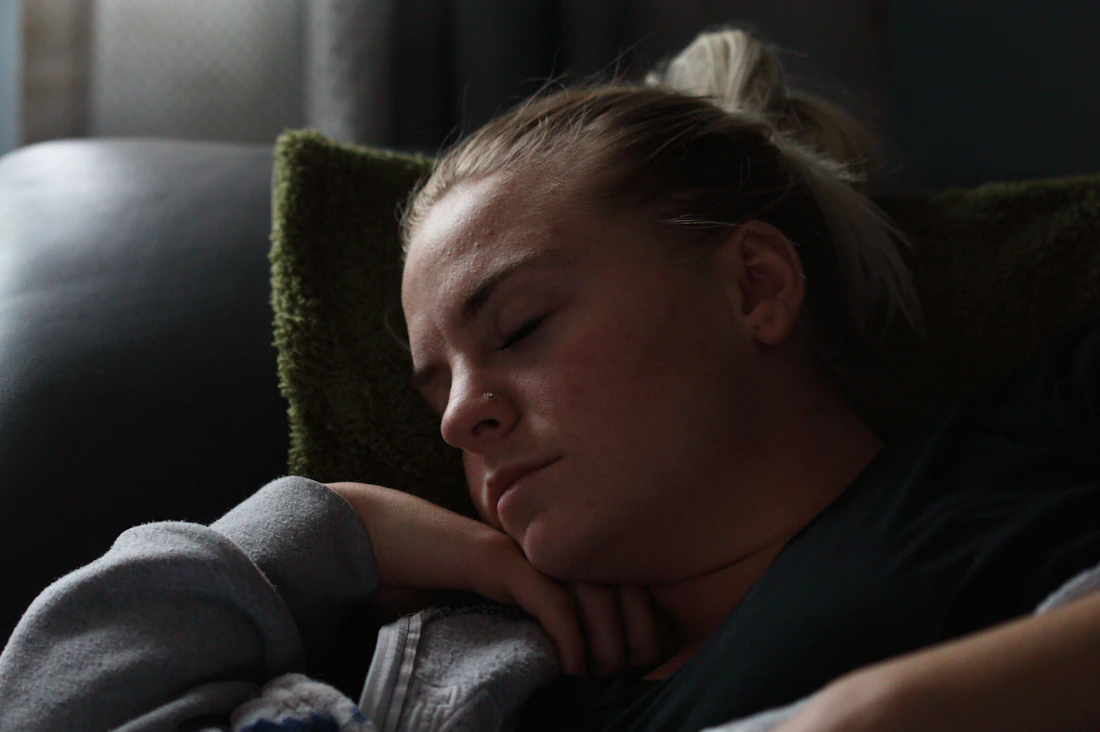
Telehealth for fibromyalgia
Care that does not cost you tomorrow’s energy
Getting to an appointment can use up energy you need for the rest of the day. Telehealth saves it for you.
01
No trip, no crash afterwards
Skip the travel, parking and waiting that can set off a flare the next day.
02
Book for your best time of day
Pick a time when your fog and pain are usually at their lightest.
03
Stay warm and comfortable
Take the call on the couch with a heat pack, a blanket and the lights how you like them.
A fibromyalgia diagnosis can only be made once symptoms have lasted at least 3 months. There is no single test, so your GP rules out other conditions first.
Getting started
Your first steps toward fibromyalgia support
1
Answer the pre-screen
About 30 seconds of private questions about your symptoms, to check our service suits you.
2
Book for a better day
Choose a time of day when your energy is usually best. After the booking is confirmed, our team gets in touch, and your practitioner is ready on that date.
3
Pain, sleep and fog
About 20 minutes on pain, sleep, fatigue and brain fog, and how flares affect your week. A detailed consultation follows.
4
A flare-ready plan
If clinically appropriate, you get a plan for steady days and flare days, with follow-ups in your patient portal. If the fit is not right, you can change practitioner.
Your practitioner
Who you'll speak with
An AHPRA-registered healthcare practitioner who understands that fibromyalgia pain is real. With your consent, they keep your GP or rheumatologist updated, so you do not have to repeat your story every time.

What to have ready
- Notes on your last few flares: when they started and what came before
- Which symptoms bother you most besides pain
- Medicines and supplements you use, including for flares, with doses
- Blood test results or rheumatologist letters, if you have them
- Your concession card, if eligible
Before your consult, you sign a pre-consent form. More on the steps in how it works.
Transparent pricing
What fibromyalgia treatment costs
Your first fibromyalgia consult is free. Follow-ups are $29 each, so you can keep fine-tuning your plan without surprise costs.
Initial consultation
$020 minutes
Your assessment and first plan, at no cost.
Follow-up consultation
$2910–15 minutes
Each review of your progress and care plan.
Concession card holders*
15 percentoff
Applies to eligible concession card holders.
*Commonwealth Health Care Card or Seniors Health and Pensioners Concession Card holders.
Any other costs related to your care are discussed with you before anything goes ahead. Prices current as of November 2026. See transparent pricing.
Who treats fibromyalgia
Rheumatologist, GP or fibromyalgia specialist online?
Fibromyalgia care is usually shared between a few health professionals. Here is where each one fits.
| Option | Referral needed? | Cost | How you access it | Best for |
|---|---|---|---|---|
| GP | No | Varies by practice | In person or telehealth | Diagnosis, blood tests to rule out other causes and referrals |
| Rheumatologist | Yes, from a GP | Specialist fees vary | In person or telehealth | Confirming the diagnosis and checking for arthritis or autoimmune conditions |
| Exercise physiologist or physio | No | Private fees vary | In person or telehealth | A gentle, graded movement program |
| Multidisciplinary pain clinic | Yes | Public or private, waits vary | Mostly in person | Severe or complex fibromyalgia |
| Truewell fibromyalgia treatment | No | $0 first consult, $29 follow-ups | Phone or video, Australia-wide | Flare plans, sleep, fog and pacing with regular reviews |
A rheumatologist can confirm the diagnosis. Truewell helps with the day-to-day side, alongside your GP.
Fibro questions
Fibromyalgia FAQs
Got a fibromyalgia question we have not covered? Our patient support team can help you find an answer.
What is the most effective treatment for fibromyalgia?
Fibromyalgia usually responds best to a combination: gentle exercise that builds slowly, pacing, good sleep habits and skills for managing pain and stress. Guidelines put these non-drug treatments first. Which parts to focus on depends on your symptoms.
Is fibromyalgia a real condition?
Yes. Fibromyalgia is a recognised long-term condition. Normal blood tests and scans do not mean nothing is wrong. They reflect that fibromyalgia affects how pain is processed rather than damaging the body.
How is fibromyalgia diagnosed?
No one blood test or scan confirms it. Your GP looks at your pain and other symptoms over at least three months. Blood tests rule out look-alike conditions, such as thyroid problems or inflammatory arthritis.
Will exercise make my fibromyalgia worse?
Starting too hard can set off a flare, which is why many people give up. Starting very low, such as a few minutes of walking or warm-water exercise, and building slowly is safer and works better over time.
What triggers a fibro flare?
Common triggers include overdoing it, poor sleep, stress, illness and sometimes cold weather. Triggers differ between people, so keeping simple notes helps you see your own pattern.
Is fibromyalgia the same as chronic fatigue syndrome?
No, but they share symptoms such as tiredness, poor sleep and fog, and some people have both. Fibromyalgia centres on widespread pain, while ME/CFS centres on symptoms getting worse after activity.
Is medication part of the plan?
Not as part of our care. Your plan focuses on pacing, movement, sleep and coping skills, with regular reviews, and it is always shaped around what you agree to.
Can you work with my rheumatologist?
Yes. With your consent, your practitioner can share notes with your rheumatologist or GP. Your records stay private under our Privacy Policy, and video consults are encrypted.
What if I am not coping?
Living with ongoing pain is hard. If you have thoughts of suicide, call Lifeline on 13 11 14, or 000 if you’re in danger. When you feel safer, let your GP know how you have been.
Free first consult
Get support for your fibromyalgia
The fibromyalgia pre-screen takes about 30 seconds. If our service suits you, book a consult from home, even on a flare day.
This page is general information only and is not a substitute for professional advice, diagnosis or treatment.
Last reviewed: November 2026 by Truewell Clinic Team
References
- Healthdirect Australia. Fibromyalgia. Accessed November 2026.
- Painaustralia. Fibromyalgia. Accessed November 2026.
- Macfarlane GJ, Kronisch C, Dean LE, et al. EULAR revised recommendations for the management of fibromyalgia. Ann Rheum Dis. 2017;76(2):318–328. doi:10.1136/annrheumdis-2016-209724