Confidential addiction support · Phone or video
Addiction treatment that meets you where you are
Maybe you want to stop. Maybe you only want to cut back, or you’re not sure yet. Either way, you deserve support without a lecture. Talk privately with a practitioner by phone or video about drugs, gambling or another habit that has taken hold, and build a plan you can stick to. No referral, no judgement.
- No referral needed
- $0 first consultation
- Phone or video, Australia-wide
 Your telehealth consult
Addiction counselling, step by step
What addiction treatment with us involves
Addiction is not a lack of willpower. Repeated use changes how the brain handles reward, stress and self-control, which is why stopping can feel so hard even when you want to. Treatment works on the reasons behind the habit, the triggers that set it off and the skills to handle cravings.
Cognitive behavioural therapy (CBT) is one of the best-studied counselling approaches for drug and alcohol problems (Magill and Ray, 2009). Truewell offers CBT-based addiction counselling. We are not a detox or rehab service, and if you need either, we help you get there. Here is how our support works.
Substance use in Australia
1 in 30
Australians aged 16 to 85 had a substance use disorder in the past year. That is about 650,000 people.
Source: Australian Bureau of Statistics, National Study of Mental Health and Wellbeing, 2020–2022.
01
An honest, private conversation
Your practitioner asks what you use or do, how often, what it gives you and what it costs you. They also check your safety, including withdrawal risk. You set the goal, whether that is stopping, cutting back or deciding.
02
Skills for cravings and triggers
CBT-based counselling helps you spot high-risk times, people and feelings, ride out cravings, and replace the habit with things that meet the same need. You also plan what to do if you slip.
03
Staying on track, with backup
Regular follow-ups keep you accountable without judgement. If you need medically supervised withdrawal, a rehab program or a specialist alcohol and other drug service, we help arrange it.
What we help with
Support for different kinds of addiction
Addiction is not only about substances. These are common reasons people reach out for addiction counselling.
Drug use
What it can look like
Using ice, party drugs or other substances more often than planned, or needing more to get the same effect.
Where counselling starts
Your goals, your triggers and safer next steps, with referral for withdrawal support when needed.
Gambling
What it can look like
Chasing losses, hiding how much you spend, or feeling restless when you try to stop.
Where counselling starts
Money triggers, urges and blocking tools, alongside the feelings that gambling helps you escape.
Compulsive sexual behaviour
What it can look like
Sex or porn use that feels out of control and is hurting your relationships, work or self-respect.
Where counselling starts
Patterns and triggers, shame, and building the habits you want instead.
Using more than one substance
What it can look like
Mixing drugs, or using one substance to come down from another.
Where counselling starts
A safety check first, then a plan that looks at your use as a whole.
Staying well after rehab
What it can look like
Worry about slipping back into old patterns after detox or a residential program.
Where counselling starts
Relapse prevention, routine and ongoing check-ins as you settle back into daily life.
Worried about someone you love
What it can look like
Watching a partner, child or friend struggle and not knowing what to say or do.
Where counselling starts
Ways to talk to them, set limits and look after yourself while you support them.
Is it time?
Signs your use may be more than a habit
Talking to someone could help if you:
- Use or gamble more, or for longer, than you meant to
- Have tried to cut down and found it hard
- Spend a lot of time getting, using or recovering
- Keep going even though it is hurting your health, money or relationships
- Hide how much you use or spend from people close to you
- Want help but are not ready to walk into a clinic
Safety first
Stopping alcohol or some drugs suddenly can be dangerous. If you use heavily every day, do not stop on your own without medical advice. We can help you find supervised withdrawal (detox).
In an overdose or emergency, call 000. For confidential advice, call the National Alcohol and Other Drug Hotline on 1800 250 015, or Lifeline on 13 11 14, any time.
We are not a detox, rehab or emergency service. If you need one, your practitioner will help you find it.

Online addiction counselling
Private addiction help, without the waiting room
Shame and fear of being seen keep many people from getting help. Telehealth lets you start privately, on your own terms.
01
Nobody sees you walk in
Talk from home, your car or anywhere private. No sign on the door and no one in a waiting room.
02
Support between the hard moments
Regular follow-ups by phone fit around work and family, so support continues when cravings hit hardest.
03
Reach help from anywhere
Addiction services can be thin outside the cities. You get the same support in regional and remote Australia.
Truewell offers addiction support as private telehealth consultations by video or phone. You can talk to a practitioner from home, without anyone seeing you walk into a clinic.
Taking the first step
How to start addiction counselling with Truewell
1
Answer the pre-screen
About 30 seconds of private, judgement-free questions to check that our service suits your situation.
2
Book when it suits
Choose any available time, including one when nobody else is home. After your booking is confirmed, our team contacts you, and your practitioner is available on that date.
3
An honest first talk
About 20 minutes on what you use or do, how often, and what you want to change. A detailed consultation is set up next.
4
Your recovery plan
If clinically appropriate, your plan and follow-up dates sit in your patient portal. You can switch practitioner if the fit is not right.
Your practitioner
Who you'll speak with
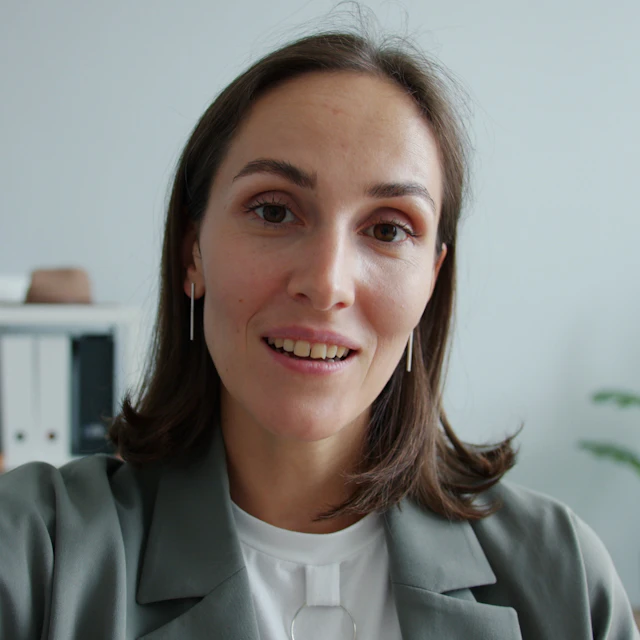
An AHPRA-registered healthcare practitioner who works under Australian healthcare standards and treats addiction as a health issue, not a moral one. With your consent, they can share updates with your GP or treatment service.

What to have ready
- An honest picture of what you use or do, and how often
- What you have tried before, and what helped
- Prescribed medicines you take, with doses
- Contact details for your GP or any treatment service you use
- Your concession card details, if relevant
You sign a pre-consent form before starting. How it works explains what follows.
Transparent pricing
What addiction counselling costs
Your first addiction consult is free. Follow-up counselling sessions are a fixed $29. There are no lock-in programs.
Initial consultation
$020 minutes
Your assessment and first plan, at no cost.
Follow-up consultation
$2910–15 minutes
Each review of your progress and care plan.
Concession card holders*
15 percentoff
Applies to eligible concession card holders.
*Commonwealth Health Care Card or Seniors Health and Pensioners Concession Card holders.
Any other costs related to your care are discussed with you before anything goes ahead. Prices current as of November 2026. See transparent pricing.
Addiction treatment in Australia
Rehab, AOD service or online counselling?
Searching for drug addiction treatment centres can be overwhelming. Different services do different jobs, and many people use more than one.
| Option | Referral needed? | Cost | How you access it | Best for |
|---|---|---|---|---|
| GP | No | Varies by practice | In person or telehealth | A health check, withdrawal advice and referrals |
| Public alcohol and other drug (AOD) service | Often not | Usually free | In person or phone | Assessment, counselling and withdrawal programs |
| Residential rehab | Usually an assessment | Free to high cost, waits vary | Live-in program | Intensive treatment away from daily triggers |
| Truewell addiction counselling | No | $0 first consult, $29 follow-ups | Phone or video, Australia-wide | Private, ongoing CBT-based counselling and relapse prevention |
Truewell is not detox or rehab. It can sit alongside those services, or your GP, as ongoing support.
What people ask us
Addiction treatment FAQs
Have a question about addiction support? Our patient support team keeps it confidential.
What is the best treatment for addiction?
There is no single answer. Effective addiction treatment usually combines counselling such as CBT, support for physical health and withdrawal if needed, and help with the parts of life that drive use. The right mix depends on what you use, how much and what you want to change.
Do I have to stop completely?
Not to start addiction therapy. Some people aim to stop, others to cut back first. Your practitioner will be honest about risks, but the goal is yours.
Is this a rehab or detox program?
No. Truewell offers counselling and ongoing support by phone or video. If you need supervised withdrawal or a residential program, we help you find one and can keep supporting you before and after.
Will anyone find out?
Not from us without your consent, unless the law requires it. What you tell us is protected by our Privacy Policy and Australian privacy law.
Can addiction counselling work online?
Yes, for many people. Counselling by phone or video uses the same skills as in person, and the privacy makes it easier for some people to be honest.
What if I relapse?
Slips are common and part of recovery for many people. A slip is a chance to learn what triggered it, not a reason to give up. Your plan covers what to do next.
Do I need medication to quit?
No. Our addiction support is built on counselling, practical skills and regular follow-ups. Your practitioner will tell you if you need medical care for withdrawal and help you arrange it.
Can I get help for a family member?
Yes. You can book a consult to talk about how to support someone, and how to look after yourself too.
What if someone overdoses or I am in crisis?
Call 000 straight away for an overdose or emergency. Lifeline answers 24/7 on 13 11 14, and the National Alcohol and Other Drug Hotline is on 1800 250 015.
Free, confidential first consult
Talk to someone, no judgement
The pre-screen takes about 30 seconds and asks nothing you need to feel ashamed of. If our service suits you, book a time.
This page is general information only and is not a substitute for professional advice, diagnosis or treatment.
Last reviewed: November 2026 by Truewell Clinic Team
References
- Australian Bureau of Statistics. National Study of Mental Health and Wellbeing, 2020–2022. Accessed November 2026.
- Magill M, Ray LA. Cognitive-behavioral treatment with adult alcohol and illicit drug users: a meta-analysis of randomized controlled trials. J Stud Alcohol Drugs. 2009;70(4):516–527. doi:10.15288/jsad.2009.70.516
- Family Drug Support Australia. Support for families. Accessed November 2026.
- Australian Government Department of Health, Disability and Ageing. National Alcohol and Other Drug Hotline. Accessed November 2026.