
Online menopause clinic · Australia-wide
Online menopause clinic for perimenopause and beyond
Hot flushes in the middle of a meeting. Waking at 3am, again. Losing words you’ve used for years. Perimenopause and menopause can change a lot at once, often at the busiest stage of life. Book a phone or video consult that fits around work and family. Get your symptoms properly assessed, and leave with a plan for the ones that bother you most.
- No referral needed
- $0 first consultation
- Phone or video, Australia-wide

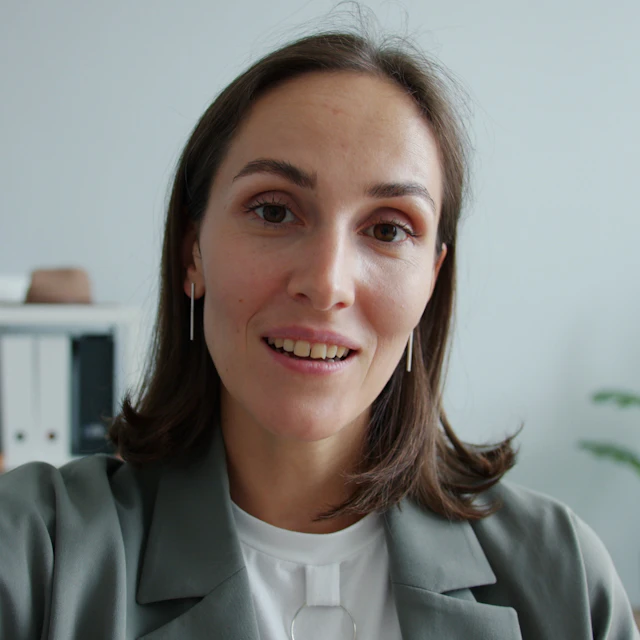 Your telehealth consult
Menopause care, explained
What menopause treatment looks like
Menopause is your final period, confirmed after 12 months without one. Perimenopause is the lead-up, often starting in your 40s, when cycles change and symptoms begin. Menopause symptoms and treatment vary widely, so care starts by working out which symptoms are hormonal, which may have another cause, and which affect your life most.
There are effective options beyond medicine. The North American Menopause Society recommends cognitive behavioural therapy (CBT) for bothersome hot flushes and night sweats (NAMS, 2023). With Truewell, care runs in three steps built around your symptoms.
Menopause in Australia
1 in 4
women aged 45 to 64 said symptoms they put down to menopause made it hard to do daily activities.
Source: Jean Hailes for Women’s Health, National Women’s Health Survey, 2023.
01
Make sense of your symptoms
Your practitioner asks about your periods, flushes, sleep, mood, energy, memory and libido, and how they affect work and home. They check for other possible causes, such as thyroid or iron problems, and tell you if tests would help.
02
Tackle what bothers you most
Your plan starts with your top one or two symptoms. It can include CBT-based strategies for hot flushes, sleep and mood, and practical changes to exercise, alcohol, caffeine and stress. A short symptom diary shows what is changing.
03
Adjust as your body changes
Menopause is a transition, so symptoms shift over months and years. Follow-ups keep your plan current. If you need a GP, a gynaecologist, a menopause specialist or tests such as bone health checks, we arrange the referral.
Symptoms we help with
Menopause symptoms women often book for
No two menopause transitions look the same. These are the symptoms that most often bring women to a menopause clinic.
Perimenopause changes
What it can be like
Periods that are irregular, heavier or closer together, with new anxiety, poor sleep or mood swings, often in your 40s.
What your plan covers
Working out whether perimenopause explains your symptoms, and what to expect next.
Hot flushes and night sweats
What it can be like
Sudden heat, sweating and flushing that interrupt work, conversations and sleep.
What your plan covers
CBT-based techniques shown to reduce how much hot flushes bother you, plus your personal triggers.
Broken sleep
What it can be like
Waking at 3am hot or wide awake, then dragging through the next day.
What your plan covers
CBT-based sleep strategies, night sweat management and a realistic wind-down routine.
Mood, anxiety and irritability
What it can be like
Feeling low, tearful, anxious or short-tempered in a way that does not feel like you.
What your plan covers
Mood and anxiety alongside your physical symptoms, so one plan covers both.
Brain fog and memory
What it can be like
Losing words, forgetting why you walked into a room or struggling to focus at work.
What your plan covers
Checking sleep, stress and other causes, with practical strategies for focus and workload.
Early or surgical menopause
What it can be like
Menopause before 45, or after surgery or cancer treatment, often with sudden, stronger symptoms.
What your plan covers
Understanding your situation and a prompt referral to a GP or specialist for medical follow-up.
Is it menopause?
When to talk to someone about menopause
It may be time to book if you:
- Are in your 40s or 50s and your periods, sleep or mood have changed
- Have hot flushes or night sweats that disrupt your day or night
- Feel foggy, flat or anxious and are not sure why
- Have been told it is "just your age" and want proper answers
- Struggle to fit appointments around work and family
- Are waiting to get into a menopause clinic and want help sooner
Symptoms to get checked in person
Any bleeding after menopause (12 months or more after your last period), or very heavy bleeding, needs a prompt in-person check.
Periods stopping before 40, or symptoms after cancer treatment, need tests and specialist care. Your practitioner will help you arrange this.
If your mood is very low or you are thinking about suicide, call 000 or Lifeline on 13 11 14. Our phone and video consults are not an emergency service.
Online menopause care
Menopause care that fits a full week
Midlife is often when work, children and ageing parents all need you at once. An online menopause clinic makes getting help one less thing to organise.
01
Book around your day
Take your consult in a lunch break, a parked car or after the kids are in bed. No travel, no waiting room.
02
Easier to raise personal symptoms
Low libido, vaginal dryness or bladder changes can be hard to bring up. Many women find it easier from home.
03
No long wait for a specialist
Menopause clinics and specialists can have long waitlists. Start with a plan now, and be referred on if you need more.
In a randomised trial, both group CBT and a self-help CBT program reduced how much hot flushes and night sweats bothered women (Ayers et al., Menopause, 2012).
Booking your consult
How to book a menopause consult with Truewell
1
Answer the pre-screen
About 30 seconds of confidential questions about your symptoms, to check our service suits you.
2
Fit it around your week
Pick a time between work and family commitments. After your booking is confirmed, our team contacts you, and your practitioner is available on the day.
3
Talk through your symptoms
About 20 minutes on hot flushes, sleep, mood, periods and your health history. Your practitioner then arranges a detailed consultation.
4
A plan for what bothers you most
If clinically appropriate, your plan and follow-up dates go into your patient portal. You are welcome to ask for a different practitioner.
Your practitioner
Who you'll speak with
An AHPRA-registered healthcare practitioner who takes menopause symptoms seriously. With your consent, they can share updates with your GP or specialist, so your menopause care stays joined up.

What to have ready
- The date of your last period, and how your cycle has changed
- Your three most bothersome symptoms
- Any medicines or supplements you use, and their doses
- Recent blood test results or letters from your GP or specialist, if you have them
- Concession card details, if you have them
A pre-consent form is signed before your consult. How it works covers each step.
Transparent pricing
What menopause treatment costs
Your first menopause consult is free. If you would like ongoing support, follow-ups are a fixed $29 each.
Initial consultation
$020 minutes
Your assessment and first plan, at no cost.
Follow-up consultation
$2910–15 minutes
Each review of your progress and care plan.
Concession card holders*
15 percentoff
Applies to eligible concession card holders.
*Commonwealth Health Care Card or Seniors Health and Pensioners Concession Card holders.
Any other costs related to your care are discussed with you before anything goes ahead. Prices current as of November 2026. See transparent pricing.
Menopause care options
Menopause specialist, GP or online menopause clinic?
Looking for a menopause doctor or menopause centre near you? Here is where each option fits in Australia.
| Option | Referral needed? | Cost | How you access it | Best for |
|---|---|---|---|---|
| GP | No | Varies by practice | In person or telehealth | A first check-up, blood tests and referrals |
| Gynaecologist or menopause specialist | Usually, from a GP | Specialist fees vary | In person or telehealth | Complex symptoms, early menopause and heavy bleeding |
| Hospital menopause clinic | Yes | Public, waits vary | In person | Complex cases, including menopause after cancer treatment |
| Truewell online menopause clinic | No | $0 first consult, $29 follow-ups | Phone or video, Australia-wide | A symptom assessment, a plan for what bothers you most and regular reviews |
Your GP or a gynaecologist handles medical options and checks. Truewell supports symptoms, sleep and mood alongside them.
Menopause questions
Menopause and perimenopause FAQs
Have a menopause question that is not covered here? Our patient support team can help with it.
What is the best treatment for menopause symptoms?
It depends on which symptoms bother you most, your health history and your preferences. Options range from CBT-based strategies and lifestyle changes to medical treatment discussed with your GP. Your first consult sorts out which approach fits you.
How do I know if I am in perimenopause?
Common signs in your 40s are changes to your cycle, hot flushes, broken sleep, mood changes and brain fog. Your practitioner looks at your symptoms, cycle and history to work out whether perimenopause is the likely cause.
Do I need a blood test to diagnose menopause?
Usually not if you are over 45. Hormone levels change from day to day in perimenopause, so diagnosis is mostly based on your symptoms and periods. Tests may be needed if you are younger or if other causes need ruling out.
Can perimenopause cause anxiety or low mood?
Yes. Changing hormone levels, poor sleep and night sweats can all affect mood, and some women feel anxious for the first time in their 40s. Your plan can cover mood and physical symptoms together.
Can CBT really help with hot flushes?
Yes. CBT does not stop hot flushes, but trials show it reduces how much they bother you and improves sleep and mood. It is recommended in international menopause guidance.
How long do menopause symptoms last?
Hot flushes and night sweats last around seven years on average, and longer for some women. Your plan is reviewed as symptoms change.
Can I see a menopause clinic without a referral?
Yes, you can book with Truewell directly. Many specialists and hospital clinics need a GP referral, and we can help with that if you need one.
Do I need to take medication?
No. You decide what goes into your plan. Our menopause care focuses on assessment, CBT-based strategies, lifestyle changes and regular reviews.
When should I see a GP in person?
See your GP promptly for any bleeding after menopause, very heavy bleeding, or if your periods stop before 40. Call 000 in an emergency, or Lifeline on 13 11 14 if you are struggling with your mood.
Free first consult
Get clear answers about your menopause symptoms
It takes around 30 seconds to complete the pre-screen. If our service suits you, book a consult that fits around your day.
This page is general information only and is not a substitute for professional advice, diagnosis or treatment.
Last reviewed: November 2026 by Truewell Clinic Team
References
- Jean Hailes for Women’s Health. Menopause in Australian women: National Women’s Health Survey 2023. Accessed November 2026.
- Australian Government Department of Health, Disability and Ageing. Menopause. Accessed November 2026.
- Australasian Menopause Society. Information sheets for women. Accessed November 2026.
- The 2023 nonhormone therapy position statement of The North American Menopause Society. Menopause. 2023;30(6):573–590. doi:10.1097/GME.0000000000002200
- Ayers B, Smith M, Hellier J, et al. Effectiveness of group and self-help cognitive behavior therapy in reducing problematic menopausal hot flushes and night sweats (MENOS 2): a randomized controlled trial. Menopause. 2012;19(7):749–759. doi:10.1097/gme.0b013e31823fe835
- Avis NE, Crawford SL, Greendale G, et al. Duration of menopausal vasomotor symptoms over the menopause transition. JAMA Intern Med. 2015;175(4):531–539. doi:10.1001/jamainternmed.2014.8063
- National Institute for Health and Care Excellence. Menopause: identification and management (NG23). Accessed November 2026.