
Trauma-informed care · Phone or video
PTSD treatment that moves at your pace
Something happened, and part of you hasn’t been able to leave it behind. Flashbacks, nightmares, always being on guard or steering clear of reminders can wear you down. You don’t have to retell everything to get help. Talk with a practitioner by phone or video from somewhere you feel safe, and decide together what comes next.
- No referral needed
- $0 first consultation
- Phone or video, Australia-wide

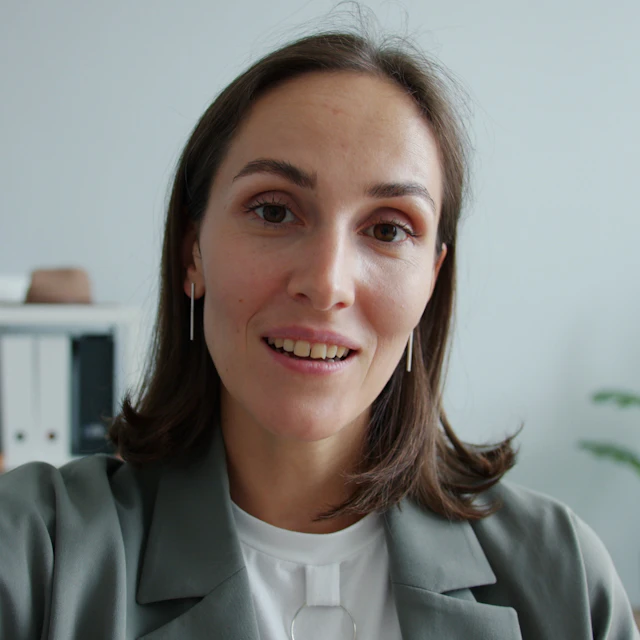 Your telehealth consult
How trauma care works
What PTSD treatment involves
Post-traumatic stress disorder is not a sign of weakness. It happens when the brain’s alarm system stays switched on after the danger has passed. Treatment helps that system settle, so memories lose their grip, sleep improves and everyday places start to feel safe again.
Phoenix Australia’s guidelines recommend trauma-focused psychological therapy, such as trauma-focused CBT, as the first treatment for PTSD (Phoenix Australia). Care with Truewell has three parts, and you set the pace for each one.
PTSD in Australia
5.6 percent
of Australians aged 16 to 85 had PTSD in the past year, about 1 in 18 people. Women were twice as likely as men to be affected.
Source: Australian Bureau of Statistics, National Study of Mental Health and Wellbeing, 2020–2022.
01
Start with safety, not the story
Your first consult is about how you are coping now: sleep, stress, relationships and getting through the day. You choose what you share about what happened, and nothing is rushed.
02
Settle your nervous system
Trauma-informed, CBT-based counselling teaches grounding skills for flashbacks and panic, ways to sleep better and an understanding of why your body reacts the way it does. Later, you work gently on avoidance and on beliefs like self-blame.
03
Check progress and open the right doors
Each follow-up checks how symptoms are changing. When a structured trauma-focused therapy with a psychologist, a psychiatrist or face-to-face care would serve you better, we help you get there.
Trauma we support
Trauma looks different for everyone
What happened, when it happened and how many times it happened all shape the support that helps most.
After a single event
How it can show up
Reliving an accident, assault, disaster or sudden loss, and feeling jumpy or numb since.
How we support you
Making sense of your reactions, easing symptoms and slowly reclaiming the places and activities you have been avoiding.
Complex trauma (complex PTSD)
How it can show up
Effects of repeated trauma, such as childhood abuse or family violence, including difficulty trusting people and handling strong emotions.
How we support you
A steady pace that puts safety, stability and coping skills first.
A recent frightening event
How it can show up
Shock, poor sleep, racing thoughts or feeling detached in the days and weeks afterwards.
How we support you
Early support with sleep, routine and coping, and checking whether symptoms ease with time.
Trauma from your work
How it can show up
Built-up distress from emergency services, healthcare, defence or other roles that expose you to hard events.
How we support you
Separating what you carry from work and how it affects home life.
Abusive or controlling relationships
How it can show up
Feeling unsafe, confused or still pulled back toward a harmful relationship, sometimes called trauma bonding.
How we support you
Understanding the pattern, rebuilding your sense of safety and planning next steps that feel right to you.
Childhood trauma in adult life
How it can show up
Old experiences still shaping your mood, relationships, sleep or how you see yourself.
How we support you
Linking past events to present patterns, and building skills to manage their effects day to day.
Reaching out
You do not need to be in crisis to ask for help
It may help to talk to us if you:
- Keep having unwanted memories, flashbacks or nightmares
- Feel on high alert, easily startled or unable to switch off
- Avoid people, places or conversations that bring it back
- Have noticed this for a month or more, and it is affecting sleep, work or relationships
- Would rather talk from home than sit in a clinic
- Are not sure what you need yet, and want to talk it through
If you need help right now
If you are thinking about suicide or self-harm, call 000 or Lifeline on 13 11 14, any time. Our phone and video consults cannot respond in an emergency.
If you are not safe at home, call 000 in an emergency, or 1800RESPECT on 1800 737 732 for support with sexual, domestic or family violence.
Severe dissociation, psychosis or ongoing alcohol or drug dependence may need a psychiatrist or face-to-face care. Your practitioner will help you find the right next step.

Online trauma counselling
PTSD therapy from a place you feel safe
New buildings, waiting rooms and strangers can be hard when your body is on alert. Telehealth lets you start from your own space.
01
You control the setting
Pick the room, the chair and who is nearby. Keep a blanket, a pet or a cup of tea close if it helps.
02
Camera optional
Video can feel exposing. Phone works just as well for counselling, and you can switch between them at any time.
03
Easy to pause and return
If a session gets too much, you can slow down, take a break or end early. Your practitioner will check in before moving on.
In a randomised trial, trauma-focused therapy delivered by telehealth into people’s homes worked as well as in-person sessions for PTSD (Acierno et al., Behaviour Research and Therapy, 2017).
Starting care
How to start trauma counselling with Truewell
1
Answer the pre-screen
About 30 seconds of private questions to check our service suits you. You share only what you are ready to share.
2
Book when you feel settled
Pick a time and place where you feel safe. When your booking is confirmed, our team gets in touch to go over the details, and your practitioner is available on the date you booked.
3
Start at your pace
Your first consult, about 20 minutes, focuses on how you are coping now, not every detail of the past. A more detailed consultation follows at a time that suits you.
4
Your care plan
If clinically appropriate, your plan and follow-up dates appear in your patient portal. If the fit does not feel right, you can ask to change practitioner.
Your practitioner
Who you'll speak with
An AHPRA-registered healthcare practitioner who works under Australian healthcare standards and takes a trauma-informed approach. With your consent, they can share updates with your GP or psychologist.

What to have ready
- A quiet, private space where you feel comfortable
- Anything that helps you feel grounded, such as water or a blanket
- Your current medicines, with doses
- Any letters from your GP, psychologist or specialist, if you have them
- A concession card, if you have one
A short pre-consent form comes before your first consult. How it works explains each step.
Transparent pricing
What PTSD treatment costs
Your first conversation is free, so you can see whether it feels right before going further. Follow-ups are a fixed $29.
Initial consultation
$020 minutes
Your assessment and first plan, at no cost.
Follow-up consultation
$2910–15 minutes
Each review of your progress and care plan.
Concession card holders*
15 percentoff
Applies to eligible concession card holders.
*Commonwealth Health Care Card or Seniors Health and Pensioners Concession Card holders.
Any other costs related to your care are discussed with you before anything goes ahead. Prices current as of November 2026. See transparent pricing.
Trauma support in Australia
Trauma psychologist, psychiatrist or online counselling?
Many people searching for a trauma psychologist or PTSD psychologist use more than one service over time. This is where each fits.
| Option | Referral needed? | Cost | How you access it | Best for |
|---|---|---|---|---|
| GP | No | Varies by practice | In person or telehealth | A first check-up, a mental health plan and referrals |
| Psychologist | Not to book privately | Private fees vary | In person or telehealth | Trauma-focused therapies such as trauma-focused CBT, CPT or EMDR |
| Psychiatrist | Yes, usually from a GP | Specialist fees vary | In person or telehealth | Severe or complex PTSD and specialist diagnosis |
| Truewell trauma counselling | No | $0 first consult, $29 follow-ups | Phone or video, Australia-wide | A safe first step, coping skills and help finding specialised therapy |
Truewell can sit alongside a trauma psychologist or psychiatrist you already see, with your consent.
Common questions about trauma care
PTSD and trauma treatment FAQs
Have a question about trauma care? Our patient support team can help, and you do not need to explain your history.
What is the best treatment for PTSD?
Australian guidelines recommend trauma-focused psychological therapy first. This includes trauma-focused CBT, cognitive processing therapy (CPT), prolonged exposure and EMDR. Which one suits you depends on what happened, how long you have had symptoms and what feels manageable right now.
Do I have to talk about what happened?
No, not to begin with. Early sessions focus on how you are coping today. You decide what to share and when, and your practitioner won’t ask for details you are not ready to give.
What does trauma-informed care mean?
It means care that puts your safety, choice and trust first. Your practitioner explains what is happening at each step, asks before moving into hard topics and lets you set the pace.
Is online trauma therapy as effective as face to face?
Research suggests it can be. Trials of trauma-focused therapy delivered by telehealth found results similar to in-person sessions. If face-to-face care would suit you better, your practitioner will say so.
What is the difference between PTSD and complex PTSD?
PTSD often follows a single event. Complex PTSD usually follows repeated or long-term trauma, and adds ongoing difficulty with emotions, relationships and how you see yourself. Care for complex PTSD usually moves more slowly.
Can I get help if the trauma happened years ago?
Yes. Many people seek help years or decades later, often when something new brings old memories back. It is never too late to start.
Do I have to take medication?
No. Our trauma care is built on counselling, coping skills and regular reviews, and every decision about your care is yours.
Who will know I am getting help?
Only the people you agree to. Your information is handled under our Privacy Policy and Australian privacy law, and is shared with other providers only with your consent, unless the law requires it. Video sessions run over an encrypted connection.
What if memories become too much to handle?
If you are in danger, phone 000. Lifeline is there 24/7 on 13 11 14. For sexual, domestic or family violence, call 1800RESPECT on 1800 737 732.
When you're ready
Take the first step, on your terms
A few private questions, about 30 seconds. If our service suits you, you decide when to start and how much to share.
This page is general information only and is not a substitute for professional advice, diagnosis or treatment.
Last reviewed: November 2026 by Truewell Clinic Team
References
- Australian Bureau of Statistics. National Study of Mental Health and Wellbeing, 2020–2022. Accessed November 2026.
- Phoenix Australia. Australian Guidelines for the Prevention and Treatment of Acute Stress Disorder, Posttraumatic Stress Disorder and Complex PTSD. Accessed November 2026.
- Healthdirect Australia. Post-traumatic stress disorder (PTSD). Accessed November 2026.
- Acierno R, Knapp R, Tuerk P, et al. A non-inferiority trial of Prolonged Exposure for posttraumatic stress disorder: in person versus home-based telehealth. Behav Res Ther. 2017;89:57–65. doi:10.1016/j.brat.2016.11.009