

Most of us learn to live around discomfort rather than address it. A stiff lower back becomes “just how Mondays feel.” Tight shoulders become background noise. Over time, the adjustments pile up, sitting differently, skipping the walk, cancelling plans, until discomfort quietly shapes daily life without ever becoming the headline issue.
This is more common than most people realise. Chronic pain affects more than 3.24 million Australians, and it affects one in five Australians aged 45 and over. The numbers are only expected to grow: without action, prevalence is projected to increase to 5.23 million Australians by 2050 (figures drawn from national chronic pain prevalence data tracked by Australian health bodies, including Painaustralia). These figures aren’t meant to alarm you. They’re meant to show that if you’re living with persistent physical discomfort, you’re part of a very large, very normal group of Australians, not an outlier dealing with something unusual.
This guide takes a lifestyle-first, evidence-based look at everyday comfort: what influences it, what the research actually says about movement, sleep, and inflammation, and when it’s worth bringing in professional support to build a plan specifically suited to you.
What Does “Everyday Comfort” Really Mean?
Everyday comfort is harder to define than it sounds. At its simplest, it’s the sense that your body and mind are working with you rather than against you. You move without thinking about it, you get through the day without discomfort, calling the shots. Most people don’t notice comfort until it’s gone. By the time discomfort feels worth addressing, it’s often already been building quietly for weeks. Comfort, in this sense, is really about restoring physical and mental health balance, not chasing a single fix.
Comfort as a Daily Wellbeing Factor, Not Just Absence of Discomfort
Think of comfort as a resource, similar to energy or focus. When it’s plentiful, you don’t notice it. When it’s depleted, everything else gets harder, concentration drops, patience shortens, and even simple physical tasks start to feel like a negotiation. Treating comfort as part of your personal wellbeing, rather than a problem that only appears when things go wrong, opens the door to far more proactive habits.
Why Physical Ease Affects Mood, Sleep, and Productivity?
Physical discomfort rarely stays where it starts. It tends to ripple outward into other parts of daily life. People with chronic pain may have trouble sleeping, going to work, and managing physical tasks such as household chores, lifting, or exercising.
The relationship runs in both directions; poor sleep can heighten sensitivity to discomfort, and ongoing discomfort can disrupt sleep, creating a loop that affects mood, energy, and work performance simultaneously, which is exactly why physical comfort and mental well-being are so difficult to separate in practice.
How Modern Australian Lifestyles Work Against Comfort?
Several everyday patterns common across Australian workplaces and routines quietly contribute to discomfort:
- Long stretches of static sitting, particularly in desk-based and hybrid roles
- Reduced incidental movement compared to previous generations (less walking, more driving, and long screen time)
- Inconsistent sleep patterns disrupted by shift work or irregular schedules
- High stress loads that translate into physical tension, especially through the neck, shoulders, and lower back
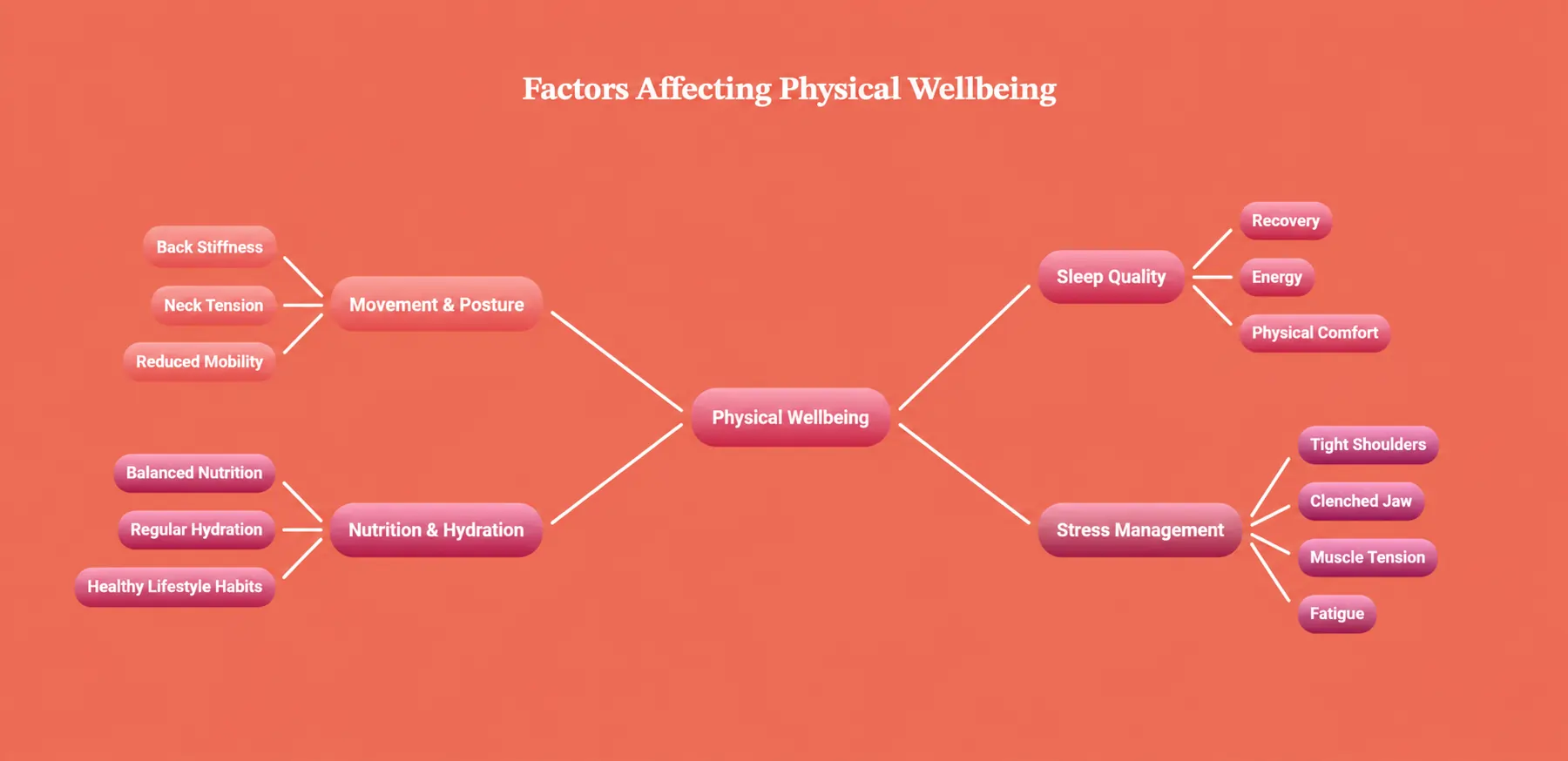
No single one of these makes much difference by itself. It’s the accumulation, day after day, that tends to matter most.
How Common Is Persistent Discomfort in Australia?
Understanding the scale of this issue helps frame it properly, not as a personal failing, but as a widespread, well-documented public health pattern.
Key Prevalence Statistics
- More than 68% of people living with chronic pain in Australia are of working age.
- People over 45 with chronic pain are five times as likely as those without it to be “limited a lot” in daily activities.
- Chronic pain affects far more than physical comfort. It can affect a person’s use of health care and their ability to work, exercise, and socialise
Why Is Discomfort Rising?
An ageing population is part of the story, but lifestyle shifts play a substantial role too. More sedentary work, more screen-based leisure time, and disrupted sleep patterns all compound over the years. Research analysing Australian general practice data found that musculoskeletal prevalence and chronic pain consultations increased with age, and were more frequent among those in lower socioeconomic groups, suggesting access to supportive resources plays a meaningful role in outcomes too.
What Lifestyle Factors Most Affect Everyday Physical Comfort?
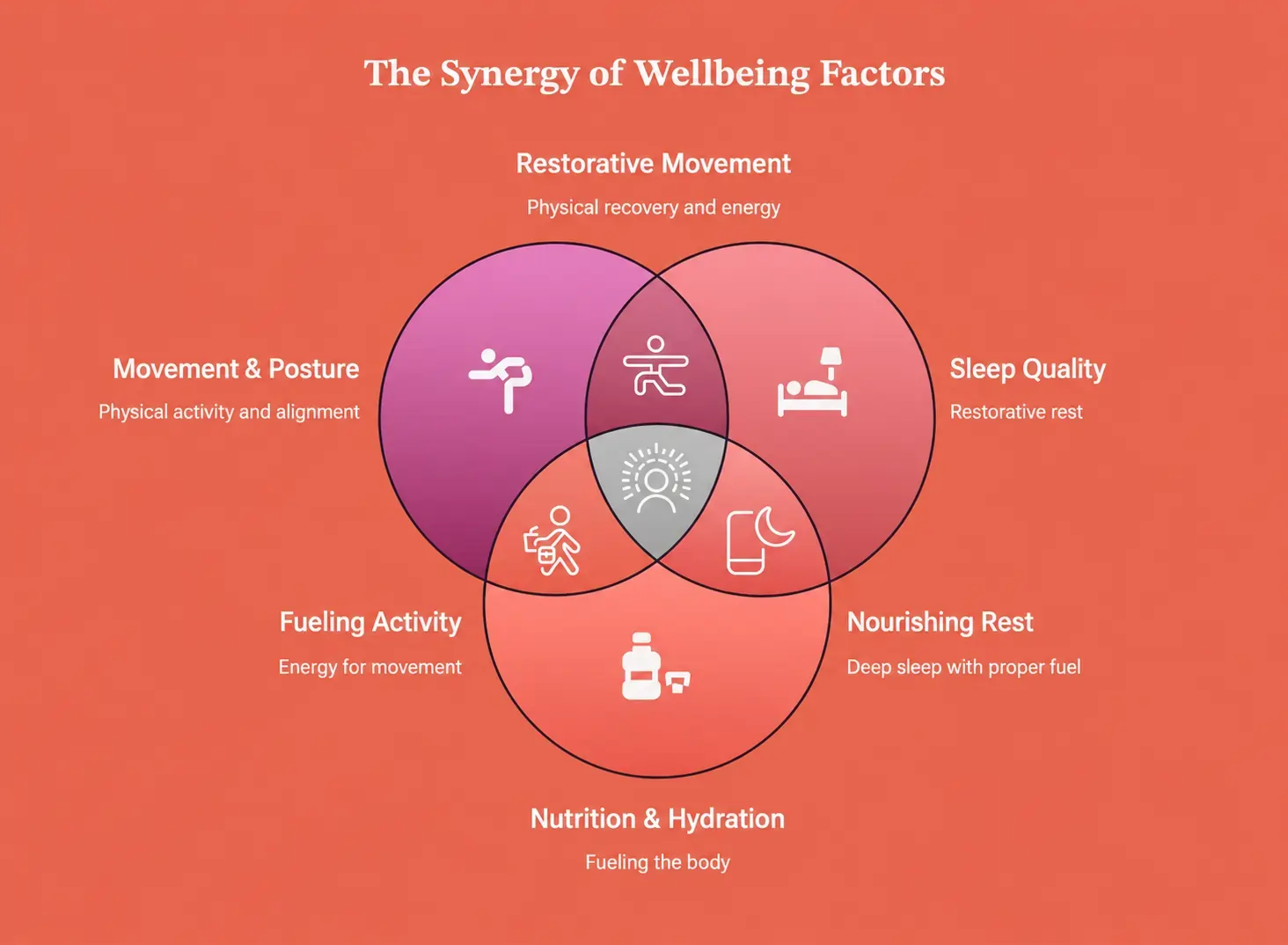
This is the area where individuals genuinely have influence, and where small, consistent changes tend to outperform occasional dramatic ones. Think of this section as a physical comfort wellness guide in miniature. The habits below form the foundation that everything else builds on.
Movement and Posture Habits
Static posture, particularly prolonged sitting, places a sustained load on the same muscle groups and joints. And adjusting it regularly is one of the simplest ways of managing discomfort naturally, without relying on any single fix.
Some people find structured approaches like pacing, breaking activity into smaller, manageable chunks rather than pushing through until discomfort forces a stop, particularly useful for building consistency without setbacks.
Sleep Quality’s Role
There’s a reason a bad night’s sleep often shows up in the body the next day. Without enough proper rest, the body simply doesn’t get the recovery window it needs, and stiffness or heightened sensitivity to discomfort tends to follow. Miss enough sleep often enough, and discomfort starts working against sleep too, each one making the other harder to fix.
Nutrition and Hydration Basics
Diet, body weight, sleep, stress, and physical activity all appear to be connected to musculoskeletal comfort in some way. None of these factors work in isolation; general dietary quality is just one piece of a much larger picture, not a standalone fix.
Where diet is concerned, general patterns rather than specific foods tend to matter most. Fruits, vegetables, whole grains, and sources of omega-3s are commonly discussed in this context, though individual needs vary enough that this isn’t a substitute for personalised dietary advice.
Stress and Nervous System Tension
Stress shows up physically more often than people expect; it might appear as clenched jaws, raised shoulders, or shallow breathing. Chronic stress keeps the nervous system in a heightened state, which can translate directly into ongoing muscular tension. This is part of why a genuinely holistic approach to comfort in Australia looks beyond the body and treats stress and nervous system regulation as core, not optional.
Small daily habits that genuinely add up:
Simple stress management techniques, like a short walk or a few minutes of stretching, can ease this tension before it builds. Here are a few tips:
- Standing and moving for a few minutes every 30–45 minutes during desk work
- Prioritising a consistent sleep schedule, which plays a central role in supporting sleep wellness more broadly
- Staying adequately hydrated throughout the day, not just during exercise
- Building brief stress-reset moments into the day, such as a short walk, a few minutes of stretching, or simply stepping away from a screen
These small daily habits double as practical self-care tips that fit around an already busy schedule.
Inflammation And Its Relation to Daily Physical Comfort
Inflammation is one of those words that gets used constantly in holistic wellness content, often without much explanation. Here’s the plain-language version.
What Inflammation Really Is
Most people have heard the word “inflammation” without ever getting a proper explanation of it. In simple terms, it’s the body’s built-in response to injury, irritation, or stress, not a malfunction, but a protective system doing its job.
There are two distinct forms worth knowing apart. The first, acute inflammation, shows up quickly and fades once whatever caused it has healed. Think of a sprained ankle swelling for a few days. The second, chronic low-grade inflammation, behaves very differently. It lingers quietly in the background for months or years, often without obvious symptoms, and researchers have spent the last decade or so investigating whether it plays a role in ongoing physical discomfort.
Facts About Inflammation
The evidence here is genuinely interesting, even if it’s not the full story. Regular exercise appears to lower inflammation, partly by reducing fat tissue and partly because muscle activity itself triggers anti-inflammatory effects. Sleep plays a part; people who sleep well tend to show lower markers of systemic inflammation than those who don’t.
Diet has also drawn attention from researchers, though the picture is messier here. Some studies suggest that eating patterns rich in omega-3 fatty acids, antioxidants, and key vitamins and minerals might support better sleep by easing systemic inflammation, though, as with most nutrition science, the findings vary depending on who’s being studied and how.
This Is General Education, Not a Treatment Claim
This connection between lifestyle and inflammation is genuinely interesting and worth understanding, but it’s general health education, not a personal prescription. Inflammation, discomfort, and individual physiology vary enormously between people. What helps one person may do nothing for another. This is precisely why personalised guidance from a qualified practitioner matters more than generic advice, however well-researched that advice might be.
What Role Does Movement Play in Supporting Comfort?
Movement is one of the most consistently supported lifestyle factors across the research, and also one of the most counterintuitive when you’re already uncomfortable.
Gentle, Regular Movement vs. High-Intensity Exercise
You don’t need an intense training program to support everyday comfort. Physiotherapy guidance notes that maintaining movement is one of the most valuable things people experiencing persistent discomfort can do, since movement supports the body’s natural processes, while avoiding activity altogether tends to lead to further loss of wellbeing over time. The emphasis is on consistency and appropriateness, not intensity.
A Supportive, Not Corrective, Approach to Movement
It’s worth noting that discomfort during activity isn’t always an accurate sign that the activity is harmful. Pain itself functions as a protective mechanism, which can sometimes lead people to avoid healthy movement out of caution rather than necessity. This is exactly why guidance from a movement professional, who can assess your specific situation, is more useful than generic exercise advice pulled from the internet.
Practical Starting Points
- A daily walk, even a short one, builds consistency without strain
- Gentle stretching or mobility work, particularly after long periods of sitting
- Posture variation throughout the day, rather than one fixed position for hours
- Activities you genuinely enjoy, since consistency matters more than intensity
Low-barrier movement ideas for desk workers and busy adults:
- A 5-minute walk after each meal
- Setting a reminder to stand and stretch every half hour
- Swapping one short drive a week for a walk
- Light mobility exercises during TV time in the evening
How Do Sleep and Stress Affect Physical Comfort?
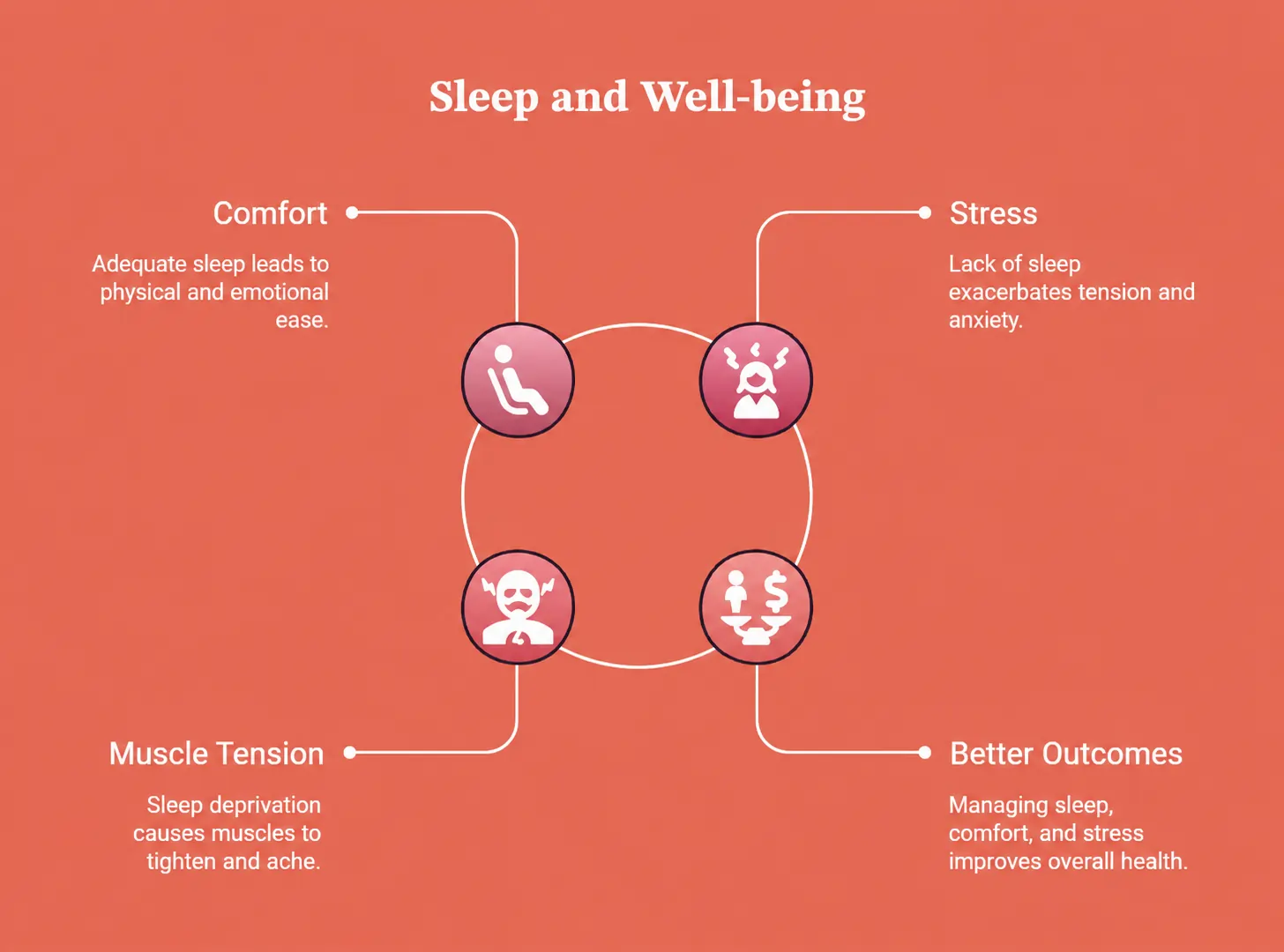
Sleep, stress, and physical comfort form a triangle; each point affects the other two, which is part of why addressing only one in isolation often falls short.
The Sleep–Comfort Feedback Loop
Poor sleep can heighten sensitivity to physical discomfort the next day, while ongoing discomfort can make it harder to fall and stay asleep. People with chronic pain commonly report difficulty sleeping, which reinforces why sleep deserves direct attention as part of any comfort-focused routine, rather than being treated as a separate issue entirely.
Stress, Muscle Tension, and the Nervous System
Persistent stress keeps muscles in a low-grade state of tension, particularly through the upper back, neck, and jaw. Over time, this contributes to the kind of generalised stiffness and discomfort that doesn’t trace back to any single incident or injury. Without practical coping strategies, this tension tends to build quietly over weeks rather than resolving on its own.
Practical Lifestyle Steps
A consistent wind-down routine is one of the simplest additions to a daily self-care routine, and one of the most effective. Paired with regular wake times and limiting stimulating screen use before bed, these habits all support better sleep, and by extension, better comfort the next day. Part of what makes these habits effective comes down to understanding sleep cycles and how the body moves through different stages of rest overnight.
When Should You Seek Practitioner Support for Persistent Discomfort?
Lifestyle adjustments genuinely help, but they work best alongside, not instead of, professional guidance, particularly when discomfort has been present for a while. Which practitioner makes sense depends on how the discomfort is showing up. A GP is usually the right starting point for anything new or unclear, since they can rule out underlying causes and refer onward.
A physiotherapist or exercise physiologist tends to be more relevant when discomfort is tied to movement, posture, or activity. Where stress or sleep disruption is a major part of the picture, a psychologist can help address the nervous system side of the equation. None of these are mutually exclusive; many people benefit from more than one.
Signs It’s Time to Speak With a Professional
- Discomfort that has persisted for several weeks despite lifestyle changes
- Physical limitations that are affecting work, sleep, or daily activities
- Discomfort that seems to be intensifying rather than easing over time
- Uncertainty about which lifestyle changes are actually appropriate for your situation
Why Individualised Assessment Matters More Than Generic Advice?
Two people can describe almost identical discomfort and need completely different approaches based on their activity levels, sleep patterns, stress loads, and overall health picture.
This is the core argument for professional input: not because lifestyle education isn’t valuable, but because it works best when tailored to the person actually living with the discomfort. That said, if you’d like to understand more about chronic pain before booking an appointment, healthdirect.gov.au and Painaustralia.org.au both offer free, government-backed and not-for-profit information on managing persistent pain in Australia.
Building Your Own Path to Everyday Comfort
Movement, sleep, stress, and inflammation rarely act alone. They shape each other, often in ways that aren’t obvious day-to-day. Recognising that pattern is usually the first real step toward addressing discomfort properly, rather than managing it indefinitely.
If physical discomfort has been part of your routine for some time, speaking with an AHPRA-registered practitioner is a reasonable next step. A proper assessment accounts for your circumstances specifically, rather than relying on general advice alone.
At True Well Clinic, support is tailored to your individual health context, not a generic checklist. Book a consultation to discuss a plan suited to your situation.