

Better Sleep Starts Here: A 2026 Guide to Sleep Wellness in Australia
Getting a full night of restful sleep is becoming harder for many Australians. Whether it’s difficulty falling asleep, waking during the night, or feeling exhausted despite getting enough hours in bed, sleep issues are increasingly common. Across the country, concerns around sleep wellness in Australia are growing as more people recognise how deeply sleep impacts energy, focus, mood, and long-term health.
Modern lifestyles are a major contributor. Long screen time, high stress levels, irregular routines, and demanding work schedules are disrupting natural sleep cycles. As a result, more individuals are actively seeking ways to improve their sleep health in Australia, shifting away from quick fixes and toward sustainable, natural approaches that support long-term wellbeing.
This is where the concept of sleep wellness comes in. Rather than focusing only on how long you sleep, sleep wellness takes a broader view, considering sleep quality, consistency, mental recovery, and overall lifestyle factors. It connects physical health, emotional balance, and daily habits into one integrated approach to better rest.
This guide covers sleep improvement in Australia, including causes of poor sleep, natural strategies, sleep support services, therapy options, wellness programs, and how professional sleep health services and clinics support long-term better rest.
What Is Sleep Wellness?
Defining Sleep Wellness Beyond Just “Hours Slept”
Sleep wellness goes beyond simply getting 7–8 hours of rest. It focuses on the quality, consistency, and restorative value of your sleep. Someone may spend enough time in bed but still wake up feeling tired if their sleep is fragmented or not deep enough.
From a holistic perspective, sleep wellness may support:
- Physical recovery: muscle repair, immune function, and aspects of hormonal balance
- Mental restoration: improved focus, memory, and emotional stability
- Neurological health: brain recovery, cognitive performance, and long-term function
This broader approach is central to improving overall sleep care Australia, where the goal is not just more sleep, but better, more effective rest.
Why Sleep Health Is a Growing Concern in Australia
Concerns around sleep health in Australia are rising due to modern lifestyle pressures that disrupt natural sleep patterns. According to credible studies, 30-60% of the general Australian population suffers from nocturnal insomnia.
Key contributing factors include:
- Chronic stress from work, finances, and daily responsibilities
- Excessive screen exposure, especially before bedtime
- Shift work and irregular schedules affecting circadian rhythms
- Lifestyle habits such as late meals, caffeine intake, and lack of routine
These factors are making it harder for many Australians to maintain consistent, high-quality sleep, increasing the need for structured approaches to sleep wellness and long-term support strategies.
Impact of Each Factor on Sleep Quality
| Factor | Impact Score (1–10) |
|---|---|
| Chronic stress from work, finances, and daily responsibilities | 10 |
| Excessive screen exposure, especially before bedtime | 8 |
| Shift work and irregular schedules affecting circadian rhythms | 10 |
| Lifestyle habits such as late meals, caffeine intake, and lack of routine | N/A |
Common Sleep Problems Affecting Australians
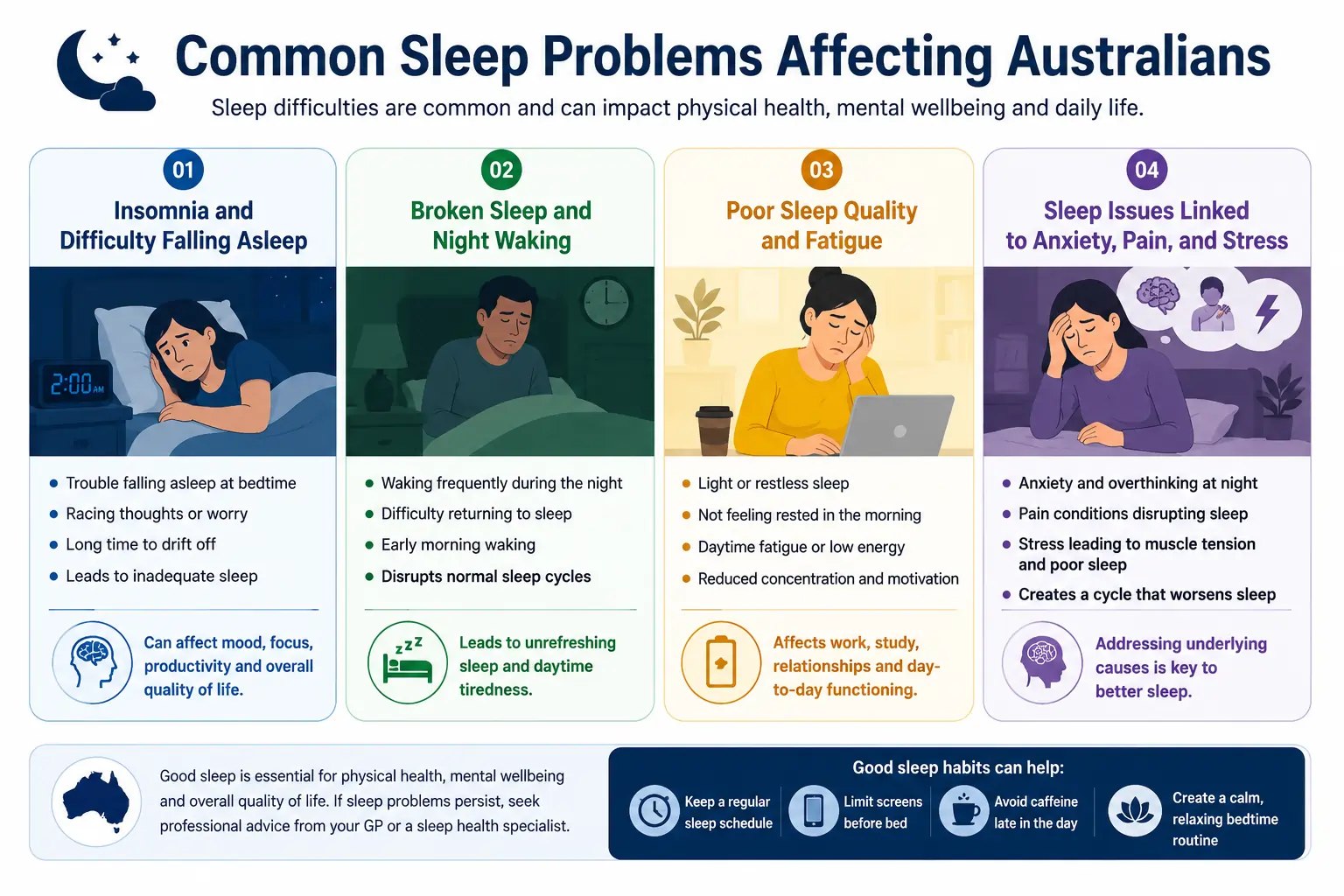
Sleep challenges are increasingly common, impacting overall sleep health in Australia and daily functioning. While experiences vary, most issues fall into a few key patterns that affect both sleep quality and long-term wellbeing.
Insomnia and Difficulty Falling Asleep
Insomnia is one of the most reported sleep concerns, often involving difficulty falling asleep despite feeling tired. This can be linked to stress, overthinking, irregular routines, or lifestyle habits. Over time, persistent insomnia can disrupt overall sleep cycles and may require structured support through sleep wellness programs Australia designed to help restore healthy patterns.
Broken Sleep and Night Waking
Many people experience fragmented sleep, waking multiple times throughout the night. This can prevent the body from reaching deeper, restorative stages of sleep. Common triggers include environmental disturbances, stress, or underlying health issues. Accessing appropriate sleep support services Australia can help identify and manage the root causes of disrupted sleep.
Poor Sleep Quality and Fatigue
Even after a full night in bed, some individuals wake up feeling unrefreshed. This is often a sign of poor sleep quality rather than insufficient duration. Factors such as light sleep cycles, poor sleep environment, or inconsistent routines can contribute to ongoing fatigue, affecting productivity, mood, and overall health.
Sleep Issues Linked to Anxiety, Pain, and Stress
Sleep is closely connected to both mental and physical health. Anxiety can make it difficult to relax, chronic pain can interrupt sleep cycles, and ongoing stress can keep the body in a heightened state of alertness. These interconnected issues often require a more comprehensive approach, combining lifestyle changes with professional guidance to help improve long-term sleep outcomes.
What Causes Poor Sleep?
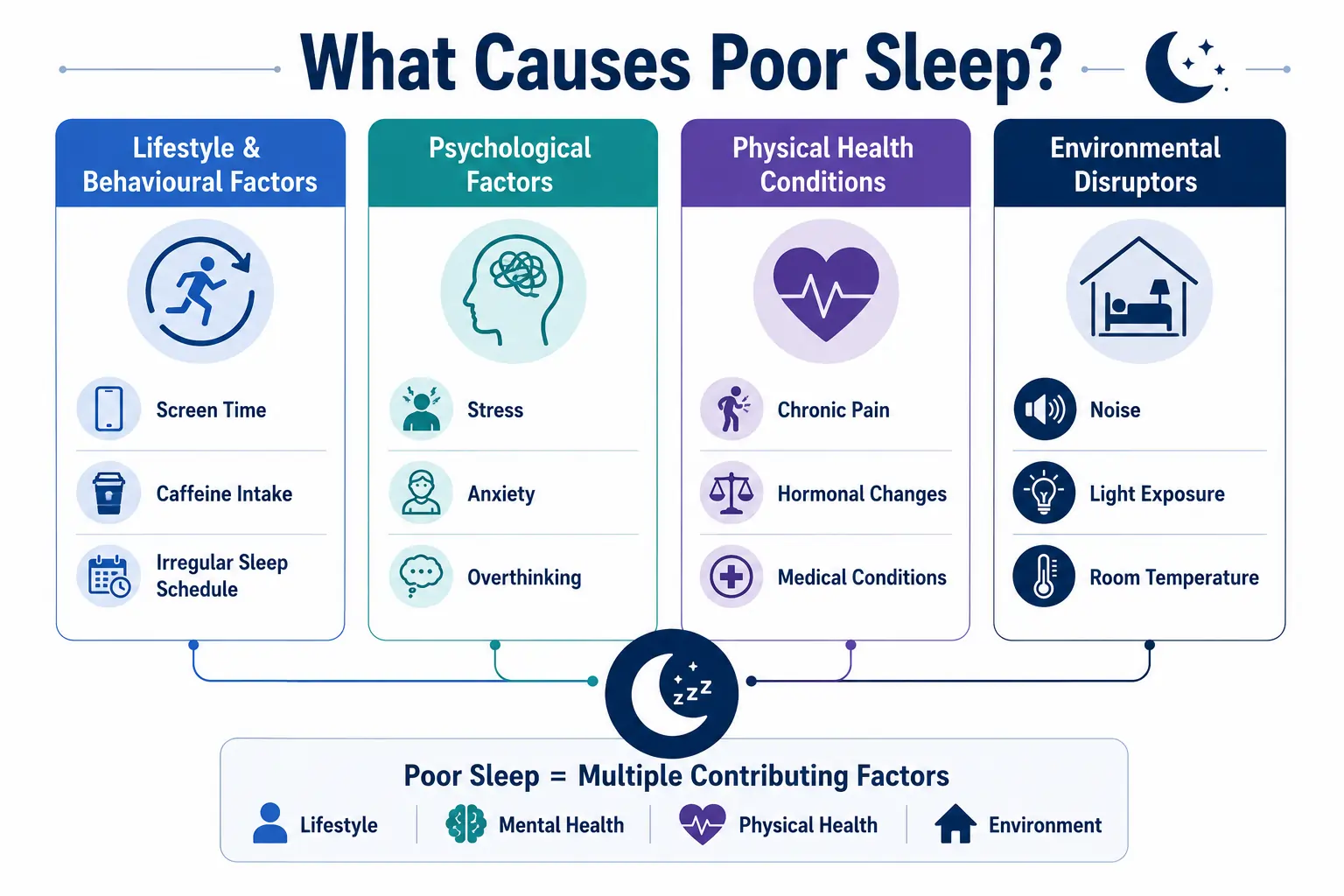
Poor sleep rarely has a single cause. In most cases, it’s the result of overlapping lifestyle, psychological, physical, and environmental factors. Understanding these root causes is essential for improving overall sleep health in Australia and identifying the right mix of strategies or sleep support services in Australia when needed.
Lifestyle and Behavioural Factors
Daily habits play a major role in sleep quality. Small disruptions in routine can compound over time and interfere with the body’s natural sleep cycle.
Common factors include:
- Excessive screen time, especially before bed
- Caffeine or stimulant intake late in the day
- Irregular sleep schedules that disrupt circadian rhythm
Addressing these behaviours is often the first step in structured sleep wellness programs in Australia, which focus on building consistent, sustainable routines.
Psychological Factors
Mental and emotional states have a direct impact on the ability to fall and stay asleep.
Key contributors include:
- Chronic stress that keeps the body in a heightened state
- Anxiety leading to racing thoughts at night
- Overthinking that delays sleep onset
These factors often require a combination of behavioural strategies and, in some cases, professional guidance to restore balance and possibly improve sleep patterns.
Physical Health Conditions
Underlying health issues can significantly disrupt sleep, even when lifestyle factors are well managed.
Examples include:
- Chronic pain that causes discomfort during the night
- Hormonal imbalances affecting sleep cycles
- Other medical conditions that interfere with deep, restorative sleep
In such cases, improving sleep may involve more comprehensive care, often supported by clinical assessment and tailored interventions.
Environmental Disruptors
Your sleep environment directly affects sleep quality. Even minor disturbances can prevent the body from entering deeper sleep stages.
Common disruptors include:
- Noise pollution or inconsistent sound levels
- Light exposure, particularly from artificial sources
- Room temperature that is too hot or too cold
Optimising the sleep environment is a foundational element of both self-managed strategies and professionally guided sleep wellness programs in Australia, helping individuals create conditions that support consistent, high-quality rest.
How to Improve Sleep Naturally
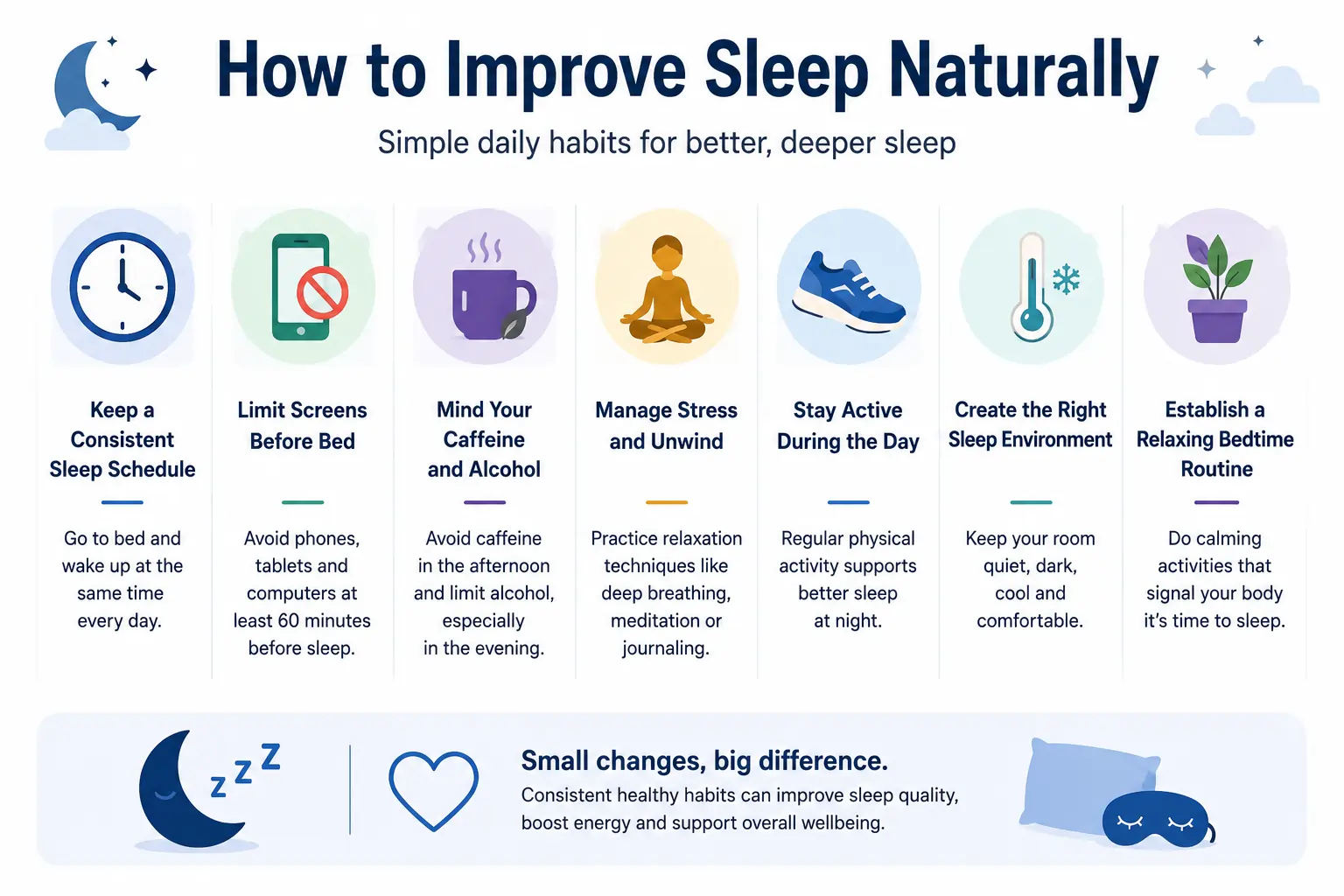
Improving sleep doesn’t always require complex interventions. In many cases, consistent habits, small behavioural shifts, and the right environment can significantly enhance sleep quality. These natural strategies form the foundation of Sleep Improvement Australia and are often the first step before exploring more structured care or professional support.
Sleep Hygiene Best Practices
Sleep hygiene refers to the daily habits and environmental factors that support consistent, high-quality sleep.
Key practices include:
- Maintaining a fixed sleep and wake schedule, even on weekends
- Creating a dark, quiet, and cool sleep environment
- Limiting screen exposure at least 30–60 minutes before bed
- Using the bed only for sleep to strengthen mental association
These fundamentals are central to most better sleep solutions Australia, and are often reinforced through guided programs when self-managed changes are not enough.
Nutrition and Sleep
What you consume throughout the day can directly affect how well you sleep at night.
Helpful approaches include:
- Reducing caffeine and stimulants in the afternoon and evening
- Avoiding heavy meals close to bedtime
- Including foods that support sleep, such as those rich in magnesium and tryptophan
Balanced nutrition helps regulate the body’s internal clock and supports more stable sleep cycles over time.
Relaxation Techniques
Many sleep issues stem from an inability to mentally “switch off.” Incorporating relaxation techniques into your nightly routine can help signal to the body that it’s time to rest.
Effective techniques include:
- Deep breathing exercises to calm the nervous system
- Meditation or mindfulness practices to reduce mental clutter
- Establishing a wind-down routine with low-stimulation activities
These techniques are often recommended as part of structured sleep support approaches, particularly for individuals experiencing stress-related sleep disruptions.
Managing Stress for Better Sleep
Stress is one of the most common barriers to quality sleep. Managing it effectively is essential for long-term improvement.
Practical strategies include:
- Setting boundaries around work and screen time
- Journaling or offloading thoughts before bed
- Building consistent daily routines that reduce unpredictability
For individuals who continue to struggle despite lifestyle changes, accessing professional guidance can provide a more personalised pathway. Many Australians are now exploring clinician-led support through telehealth-based sleep wellness services, where tailored strategies are developed based on individual needs, health history, and sleep patterns.
Clinics such as TrueWell Clinic offer structured approaches that combine lifestyle guidance with medical insight, helping patients navigate more persistent sleep challenges in a safe and regulated environment.
Sleep Therapy and Professional Support in Australia
While lifestyle changes can improve many sleep issues, persistent or complex problems often require structured intervention. This is where sleep therapy Australia and professional sleep support services Australia play a critical role, offering evidence-based and personalised approaches to restoring healthy sleep patterns.
What Is Sleep Therapy?
Sleep therapy refers to a range of clinical and non-clinical support approaches designed to address the underlying causes of poor sleep rather than just the symptoms.
These approaches may include:
- Behavioural therapies focused on habit and routine correction
- Psychological support for stress, anxiety, or overthinking
- Professional assessments to identify underlying health conditions
The goal is to create sustainable improvements by addressing the root drivers of sleep disruption, not just short-term relief.
Cognitive Behavioural Therapy for Insomnia (CBT-I)
Cognitive Behavioural Therapy for Insomnia (CBT-I) is widely recognised as one of the most effective non-medication management strategies for chronic sleep issues.
It works by:
- Identifying and changing negative thought patterns around sleep
- Rebuilding healthy sleep habits and routines
- Reducing behaviours that interfere with sleep quality
CBT-I is often recommended as a first-line structured support within structured sleep therapy programs in Australia due to its long-term effectiveness.
When to Seek Professional Help
Occasional sleep disturbances are normal, but ongoing issues may indicate a deeper problem that requires attention.
You should consider professional support if:
- Sleep problems persist for weeks or months
- You experience daytime fatigue, poor concentration, or mood changes
- Sleep issues are linked to anxiety, chronic pain, or other health conditions
Early intervention through qualified sleep support services Australia can prevent issues from becoming more severe and harder to treat.
Types of Sleep Support Services Available
Australia offers a range of sleep-focused services tailored to different needs and levels of complexity.
Common options include:
- Sleep clinics providing in-depth assessments and treatment plans
- Telehealth services offering convenient, remote consultations
- Specialists such as sleep physicians, psychologists, and general practitioners
Many modern providers, including clinics like TrueWell Clinic, integrate telehealth with personalised care plans, making it easier for individuals to access professional guidance without long wait times or geographic limitations. If you’re facing sleep problems ( light or chronic issues), get in touch with us today; we will create bespoke sleep-improvement plans to assist in restoring your natural sleep pattern.
Final words:
Sleep wellness is an essential part of long-term health, affecting energy, focus, and emotional balance. By understanding the causes of poor sleep and applying natural strategies, many people may significantly improve the quality of their sleep. When issues persist, professional guidance through sleep therapy and support services can provide structured solutions. In Australia, accessible care options continue to grow, helping individuals achieve more consistent, restorative sleep and build healthier routines for lasting wellbeing.
Disclaimer: This content is for informational purposes only and does not constitute medical advice. Individual needs vary, so readers are encouraged to speak with an AHPRA-registered practitioner for personalised guidance.